Choosing the right Steel Grating Platform is crucial for any construction project. As industries globally adopt various platforms, the options can seem overwhelming. Buyers often face challenges in understanding the specifications, materials, and applications of different platforms.
Steel grating is known for its durability and resistance to heavy loads. However, not all steel grating products are the same. Factors like spacing, thickness, and load ratings play significant roles in their effectiveness. Buyers must ask the right questions before making a choice. Are the platforms suitable for outdoor use? Will they endure environmental stress? Are there installation concerns?
While steel grating platforms offer many advantages, it is important to recognize their limitations too. Not every product meets specific safety standards or user needs. This buying guide aims to navigate these complexities. By examining key features and potential pitfalls, you can make a more informed decision. With the right insights, selecting a suitable Steel Grating Platform becomes achievable.
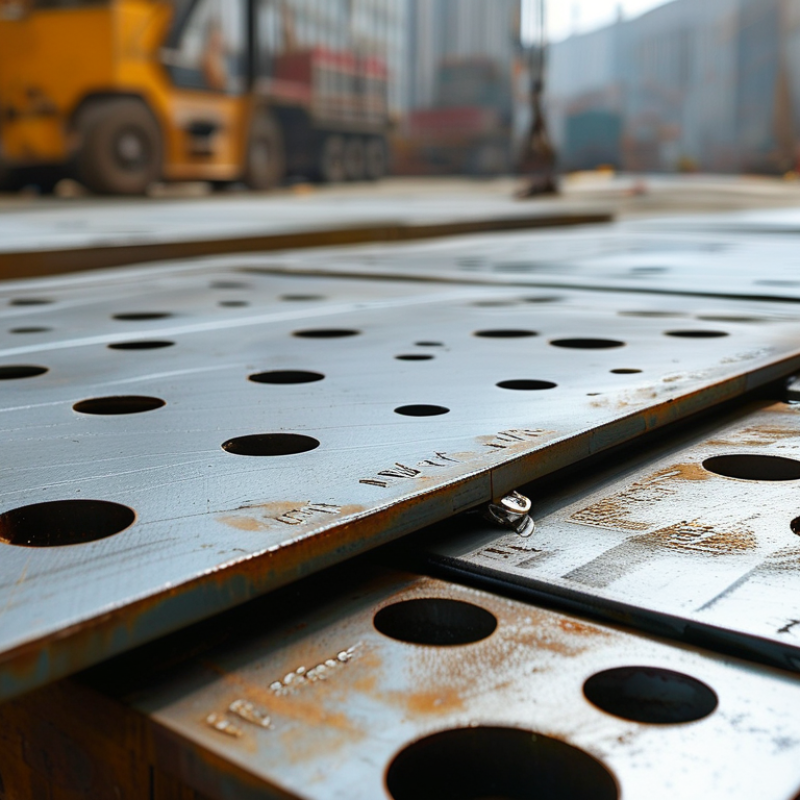
The global steel grating market is seeing notable trends and growth factors as we move toward 2026. Increasing demands in construction, oil and gas, and renewable energy sectors are driving the market forward. Industries value steel grating for its durability and safety features. The use of grating improves airflow and minimizes slip risks in industrial environments.
Sustainability is becoming a key focus. Many manufacturers are adopting eco-friendly practices in production. This shift reflects broader market trends toward environmental responsibility. While the demand for steel grating continues to rise, challenges such as fluctuating raw material costs pose risks. Industries must remain adaptable, exploring alternative materials and designs to meet evolving needs.
Furthermore, countries with robust infrastructure projects are expected to boost steel grating consumption. The growth in smart cities and modernization of facilities influences the market significantly. Buyers should evaluate not just the quality, but also the long-term sustainability of their choices. Balancing cost with environmental impact is becoming increasingly crucial for informed decision-making in the industry.
Steel grating platforms are essential in various industries for efficient load distribution and safety. Understanding the types of steel grating is crucial for making informed purchasing decisions. There are several materials used for grating, such as carbon steel, stainless steel, and fiberglass. Carbon steel is common for industrial applications due to its strength and low cost. However, it may corrode if not properly maintained. Stainless steel grating, while more expensive, offers excellent corrosion resistance and durability, making it suitable for harsh environments.
Design variations also play a significant role in application choice. Heavy-duty grating designs are preferred in industries like oil and gas, where load-bearing capacity is vital. Reports indicate that heavy-duty steel grating can support loads exceeding 2000 pounds per square foot. In contrast, light-duty designs are more suitable for pedestrian walkways and lighter machinery. Moreover, the choice of spacing is critical. Wider spacing can reduce material costs but may compromise safety. Buyers need to carefully evaluate their specific requirements to find the right balance between cost and performance.
| Type of Steel Grating | Material | Design | Applications | Load Capacity |
|---|---|---|---|---|
| welded steel grating | Carbon Steel | Welded | Walkways, Platforms | Heavy Duty |
| swage locked grating | Stainless Steel | Swage Locked | Industrial Flooring | Moderate Duty |
| molded fiberglass grating | Fiberglass Reinforced Plastic | Molded | Chemical Industries | Light Duty |
| pressure locked grating | Aluminum | Pressure Locked | Mezzanines, Roof Walkways | Light to Medium Duty |
| trench grating | Cast Iron | Trench Cover | Drainage Systems | Heavy Duty |
When choosing a steel grating platform, compliance and certification are key factors. Buyers should be aware of the standards relevant to their industry. Certain certifications indicate adherence to quality and safety measures. These include guidelines from recognized organizations. They assure that products meet specific performance requirements.
Understanding the compliance landscape can be complex. Different regions may have varying standards. This inconsistency can lead to confusion for global buyers. Ensure you review documentation carefully. Look for ISO and ANSI certifications when applicable. These documents reflect the manufacturer's commitment to quality.
Investing time in this evaluation process is essential. Buyers may find some suppliers lack transparency about their compliance journeys. This could raise questions about reliability. A thorough review of certification can mitigate potential risks and ensure long-term satisfaction with your purchase.
This chart displays the evaluation scores of various criteria relevant to steel grating platforms. Each criterion is scored on a scale from 1 to 10, indicating its importance in compliance and certification standards for global buyers.
In the global steel grating market, several key manufacturers stand out. A recent industry report indicates that the North American market accounts for nearly 35% of global steel grating revenue. This highlights the region's significant demand and manufacturing capacity. Major companies in this area are recognized for their advanced technologies and diverse product offerings.
A comparative analysis reveals China as a leading steel grating producer, dominating with over 40% of the market share. Their competitive pricing and extensive production capabilities contribute to this strong position. However, quality control remains a challenge. Many buyers report inconsistencies in product quality. This emphasizes the need for thorough evaluations when sourcing from these manufacturers.
Europe, although smaller in market share, showcases high-quality standards and innovation. Manufacturers often focus on environmental sustainability, a growing trend among customers. Buyers express a desire for not just performance but also eco-friendly products. This indicates a shift in preferences, urging all manufacturers to adapt and invest in sustainable practices. Understanding these dynamics is vital for making informed purchasing decisions in this competitive landscape.
When investing in steel grating platforms, it's crucial to evaluate their cost-benefit profile. According to recent industry reports, the average lifespan of steel grating is around 20 years. This longevity often justifies the initial investment. Steel grating platforms resist corrosion, offer excellent load-bearing capabilities, and require minimal maintenance compared to alternative materials. Thus, they provide significant long-term savings.
However, upfront costs can be a concern. A report from the Steel Grating Manufacturers Association states that while the initial price of steel grating can be higher, the total cost of ownership decreases over time. The reduced maintenance and replacement needs contribute to overall financial benefits. It's essential to analyze the specific application needs, as over-specification may lead to unnecessary expenses.
Environmentally, steel grating platforms stand out. They are recyclable and contribute to sustainability. Despite their durability, steel grating can become subject to wear, particularly in harsh conditions. This emphasizes the need for regular inspections. Investing in steel grating should be a calculated decision that balances immediate costs against long-term performance and environmental impact.
: Compliance ensures the product meets safety and quality standards. Certifications show adherence to recognized guidelines.
Look for ISO and ANSI certifications. These documents reflect the manufacturer's commitment to quality and safety.
Some suppliers may lack transparency. This raises reliability concerns, emphasizing the need for thorough evaluations.
North America accounts for nearly 35% of global revenue. It has significant demand and advanced manufacturing technologies.
China dominates with over 40% market share. However, buyers report inconsistencies in product quality, raising concerns.
They focus on high-quality standards and innovation. Environmental sustainability is increasingly important to buyers.
Initial costs may be high, but longevity and low maintenance provide long-term savings.
The average lifespan is around 20 years. This longevity justifies the initial investment for many buyers.
Yes, steel grating is recyclable. Its durability also reduces the need for replacements, supporting sustainability efforts.
Regular inspections are crucial, especially in harsh conditions. Wear can affect performance and safety over time.
The "2026 Best Steel Grating Platform Buying Guide for Global Buyers" explores the evolving landscape of the global steel grating market, highlighting key trends and growth factors driving its expansion. The article delves into various types of steel grating, discussing materials, designs, and their diverse applications across industries. A thorough understanding of compliance and certification criteria for steel grating platforms is also emphasized, ensuring buyers are informed about necessary standards.
Additionally, the guide offers a comparative analysis of leading manufacturers, providing insights into their product offerings. A detailed cost-benefit analysis highlights the importance of investing in durable and long-lasting steel grating platforms, equipping buyers with the knowledge required to make informed purchasing decisions. This comprehensive overview serves as a valuable resource for global buyers seeking to navigate the steel grating market effectively.

Jiulong