In the competitive landscape of industrial materials, stainless steel grating stands out for its versatility and durability. Dr. Emily Johnson, an expert in materials engineering, states, "Stainless steel grating is essential for modern construction and safety applications." This statement emphasizes the material's importance across various industries.
Stainless steel grating offers numerous benefits that appeal to global buyers. Its resistance to corrosion and rust makes it ideal for harsh environments. Additionally, the lightweight nature combined with high strength allows for efficient transport and installation. Utility in areas like drainage systems and walkways highlights its practical applications.
Despite these advantages, buyers must consider factors such as cost and sourcing. Not all stainless steel gratings are created equal. Some may not meet international standards, leading to potential issues. Making informed choices can help prevent these pitfalls. By weighing the pros and cons, buyers can leverage the benefits of stainless steel grating effectively.
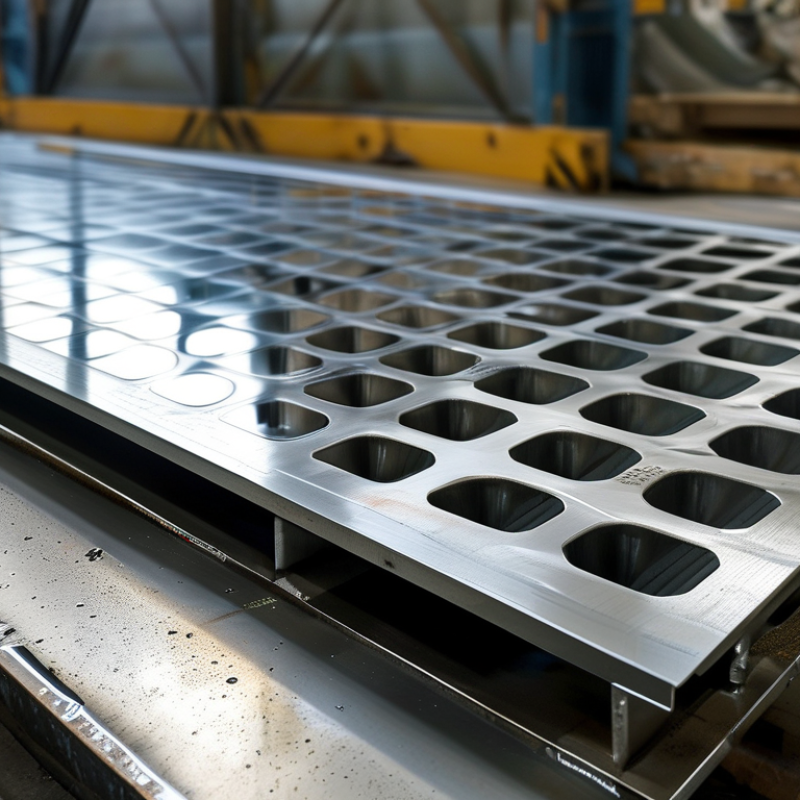
Stainless steel grating is a vital component in various applications. This material is primarily composed of stainless steel, known for its exceptional resistance to corrosion. It maintains its strength even in harsh environments. The durability of stainless steel makes it an ideal choice for both indoor and outdoor use.
The manufacturing process typically involves welding bars together to create a sturdy framework. This structure enhances its load-bearing capacity. The versatility of stainless steel grating allows it to be used in walkways, drainage covers, and industrial platforms. Its non-slip surface adds to safety features, crucial in crowded or hazardous areas.
While the benefits are clear, there are aspects to consider. Stainless steel can be more expensive than other materials. Buyers need to evaluate cost versus longevity. Maintenance is generally low, but periodic cleaning is necessary to preserve its appearance and functionality. Understanding these nuances ensures a well-informed purchasing decision in a competitive marketplace.
Stainless steel grating stands out for its exceptional durability and longevity. Its resistance to rust and corrosion makes it a preferred choice in harsh environments. This material often lasts longer than traditional grating options, reducing replacement frequency and maintenance costs. The strength of stainless steel provides a reliable surface even under heavy loads.
In industries like construction and manufacturing, the longevity of grating can significantly impact overall project costs. Many buyers find that investing in stainless steel pays off in the long run. However, not all stainless steel is equal; variations exist. Understanding the different grades helps in making a more informed decision.
The aesthetic appeal of stainless steel grating is also worth noting. Its sleek surface enhances the functionality of spaces while providing a modern look. This combination of practicality and style can transform ordinary settings. Still, buyers must consider factors like installation and specific usage to ensure optimal performance.
Stainless steel grating offers notable corrosion resistance, making it ideal for diverse environments. According to a report by the International Stainless Steel Forum, about 80% of all stainless steel produced is used in environments where corrosion is a concern. This makes it a preferred choice for buyers looking for longevity and durability in demanding applications.
The unique composition of stainless steel provides an invisible layer of protection against corrosive elements. Exposure to harsh chemicals and weather does not degrade its integrity. In marine environments, for example, 316 stainless steel is specifically formulated to withstand saltwater exposure. Notably, corrosion rates in stainless steel structures are significantly lower compared to carbon steel. This can lead to reduced maintenance and replacement costs over time, enhancing long-term value.
Despite its advantages, there are factors to consider. Variations in quality can influence performance. Not all stainless steels offer the same level of resistance. Moreover, the cost of stainless steel grating is typically higher than alternative materials, which may require careful budgeting from buyers. A balanced assessment of the operational environment is crucial to ensure the right type is chosen, ensuring both efficiency and effectiveness in application.
Stainless steel grating is a highly versatile material used across different industries. It can be found in commercial kitchens, industrial plants, and even public facilities. The corrosion resistance of stainless steel makes it ideal for environments where moisture is a factor. In food processing, for example, it provides a durable surface that withstands constant cleaning.
In construction, stainless steel grating is popular for walkways, platforms, and staircases. Its strength offers excellent load-bearing capacity. Many designers appreciate its aesthetic appeal as well. However, the installation of stainless steel grating requires careful planning. Misalignment can create safety hazards, which may lead to slips or falls.
Stainless steel grating is also used in wastewater treatment plants. It allows for effective drainage while filtering debris. Despite its advantages, maintenance can be tricky. Accumulated dirt can diminish its appearance and functionality. Regular cleaning is necessary to ensure longevity and safety. Overall, the applications are vast, but challenges exist. Balancing benefits with drawbacks is essential for users.
Stainless steel grating offers impressive cost-effectiveness, making it a popular choice for many industries. Statistics indicate that facilities using stainless steel grating can save up to 30% on maintenance costs compared to alternative materials. These savings stem from the material's inherent resistance to rust and corrosion, which minimizes the need for replacements. According to the American Society of Civil Engineers, stainless steel components can last up to 50 years with proper care, leading to long-term benefits.
Moreover, the initial investment in stainless steel grating is often justified by its durability. Data from a recent industry report highlights that facilities experience fewer disruptions when they utilize this type of grating. A breakdown in grating can lead to costly downtimes. In critical operations, minimizing interruptions is essential. Stainless steel grating also requires less frequent cleaning than other materials, resulting in lower labor costs.
It's worth noting that while stainless steel is more expensive upfront, the long-term financial implications are favorable. Buyers must consider the lifecycle of the materials they choose. The durability and lower maintenance needs of stainless steel can outweigh initial costs significantly. However, some buyers may overlook these factors, leading to short-term savings that could backfire. Evaluating the total cost of ownership is crucial for making informed decisions.
: Its notable corrosion resistance makes it ideal for diverse environments.
With proper care, they can last up to 50 years.
Facilities can save up to 30% on maintenance costs compared to other materials.
No, it requires less frequent cleaning, reducing labor costs.
No, variations in quality affect their performance against corrosion.
The upfront cost can be higher compared to alternative materials.
Certain types, like 316 stainless steel, resist saltwater exposure well.
It can lead to costly downtimes, which impact critical operations.
Yes, evaluating total ownership cost is essential for informed decisions.
A balanced assessment of the operational environment is crucial for efficiency.
Stainless Steel Grating offers numerous advantages that make it an ideal choice for various applications. Comprised of high-quality materials, this type of grating is known for its exceptional durability and longevity. Unlike other materials, Stainless Steel Grating resists rust and corrosion, making it suitable for a wide range of environments including industrial, commercial, and marine settings.
Moreover, its versatility allows it to be utilized in many applications, from flooring and walkways to drainage systems. While the initial cost may be higher than other options, the long-term savings through reduced maintenance and replacement needs make Stainless Steel Grating a cost-effective solution. Overall, the benefits of Stainless Steel Grating position it as a superior material choice for global buyers seeking reliability and efficiency in their projects.

Jiulong