Top 10 Best Stair Treads for Safe and Stylish Stairs

Time:2026-11-13 Author:Sienna
0%

Stairs can look elegant and still feel slippery underfoot. A well-chosen Stair Tread adds grip, softens footfall, and can protect worn steps from daily traffic. The right choice depends on more than color. Material, backing, tread size, edge shape, and cleaning needs all affect how a product performs at home. Small details matter. A rug-style tread may feel warm beneath bare feet, while a rubber option can suit a busy entryway where wet shoes are common.

This guide to the top 10 best stair treads compares practical features and style, rather than treating one product as a universal winner. It considers how securely each tread may stay in place, how easy it is to maintain, and whether its dimensions suit typical stairs. Check your own step measurements before buying; even a slight overhang can catch a toe or look uneven. Also review the maker’s installation instructions and surface compatibility, especially for finished wood. Those details are easy to overlook. Product descriptions and customer feedback can help, but neither guarantees a perfect fit in every home. Some treads may need more frequent cleaning than expected, and adhesive performance can vary with the surface. The best pick is the one that fits your stairs, household, and routine—not just the one that looks impressive in a photo.
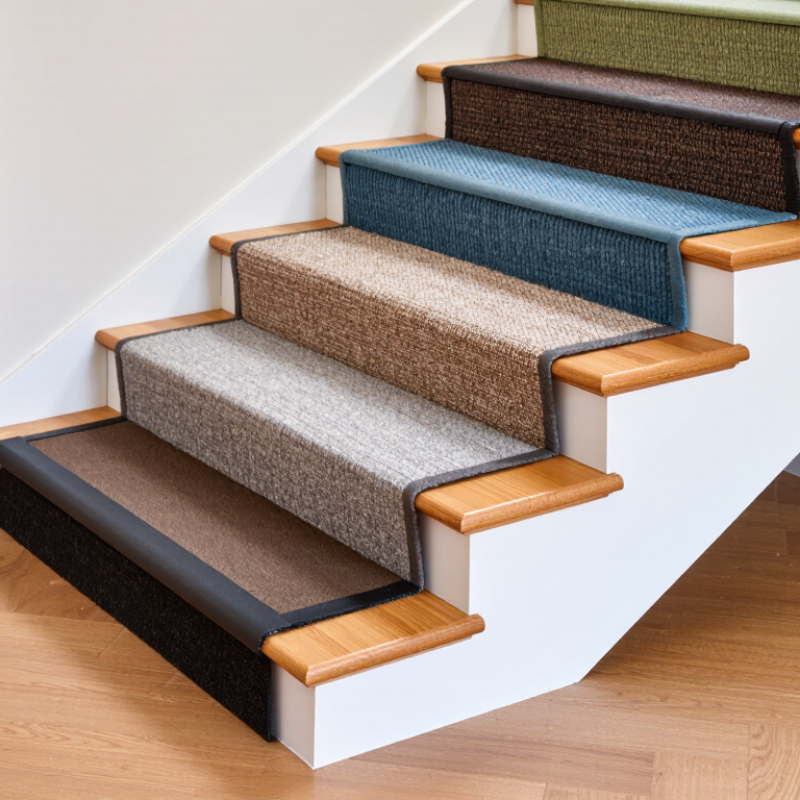
Top 10 Best Stair Treads for Safe and Stylish Stairs

Stair-Tread Safety Basics: Grip, Coverage, Durability, and Slip Risks

A stair tread should stay put under a turning foot, not just feel soft beneath a hand. Look for a textured surface that grips when shoes are damp, while still being comfortable in socks. Deep ridges can trap grit, so a surface that is easy to vacuum matters too. Small detail. It matters.

Coverage is just as important as texture. Each tread should sit flat across the step, with no curled corners or exposed strips that invite a toe to catch. Measure every stair; older homes often have slight differences in width or depth. A near-fit can still leave a risky edge. For open-sided stairs, check that the tread does not overhang where a foot might snag.

Durability depends on both the material and the stair beneath it. High-traffic steps may need firmer, washable treads, while a slick wood finish calls for secure attachment suited to that surface. Follow the maker’s installation directions, and check adhesive compatibility before applying anything. I used to assume a heavy tread could not shift; that was careless. Test each one gently after fitting, then inspect for loose edges, worn grip, or trapped moisture. No tread removes every slip risk, especially when stairs are wet or cluttered. Keep the steps clear, and replace worn pieces rather than waiting for a close call.

OSHA Stairway Benchmarks: 9.5-Inch Minimum Treads and 6–9.5-Inch Risers

For safe stair treads, measure the usable depth and riser height before choosing a covering. OSHA’s general-industry standard, 29 CFR 1910.25, sets a minimum tread depth of 9.5 inches and riser heights of 6 to 9.5 inches for covered stairways. These are workplace benchmarks, not a substitute for local residential requirements. Measure every step; older stairs can vary slightly. Even a small mismatch may leave a raised edge or reduce the space available for a secure foothold.

Fit matters. A tread should sit flat, stay firmly attached, and leave the nosing unobstructed. Keep its front edge aligned across the flight, and check that adhesive or fasteners do not create bumps. A peer-reviewed U.S. study, “Stair-related injuries in the United States, 1990–2008,” estimated about 1.3 million stair-related injuries treated in emergency departments each year during the study period. That figure is a reminder, not proof that a particular tread prevents falls. Recheck after installation. A loose corner is easy to miss. Also, the OSHA dimensions alone cannot fix poor lighting, worn steps, or an awkward handrail.

Top 10 Stair Tread Types Compared by Material, Fit, and Best Use

Stair treads differ in grip, comfort, installation, and moisture resistance. The CDC reports that more than 14 million U.S. adults aged 65 and older fall each year, about one in four. This figure covers falls generally, not stair falls alone. Still, it makes secure footing worth careful attention.

Rubber treads cushion hard steps and suit busy indoor or outdoor stairs, but measure each tread to avoid curled edges. Carpet treads feel warm and quiet; choose fitted pieces with firmly secured corners. A carpet runner covers the stair center, though exposed edges need reliable fastening. Adhesive grit strips offer low-profile traction on clean, dry steps. Clear anti-slip film preserves the wood’s appearance, but may show dust or bubbles. Small details matter.

Vinyl treads resist moisture and wipe clean, making them practical near entryways. Cork feels softer underfoot, but can wear faster in high-traffic areas. Wood overlays refresh worn stairs; their finish must remain slip-conscious. Metal treads are durable for utility steps, yet can feel cold and hard. Outdoor grit-composite treads handle weather and muddy shoes, though their rough surface may be uncomfortable indoors. Match the tread to stair width, nosing shape, and exposure. I would not trust appearance alone: check that every piece lies flat, then inspect it regularly.

Choosing Treads for Wood, Tile, Indoor, and Outdoor Stairs

Choosing stair treads starts with the surface beneath them. On polished wood, low-profile carpet or rubber treads can add grip without hiding the stair’s shape. Check that the backing suits the finish; some adhesives leave marks when removed. Fit matters. Measure each step, including its nose, so edges do not curl into a trip hazard. On tile, use treads with backing or adhesive specifically rated for smooth, nonporous surfaces. Dust and moisture can weaken the bond, especially near an entryway. Test first.

Indoor stairs benefit from a secure, comfortable surface that is easy to vacuum. For outdoor steps, look for weather-resistant materials with drainage and a textured face; trapped water can freeze or encourage mildew. Inspect corners regularly. The CDC reports that adults aged 65 and older had about 3 million emergency department visits related to falls in 2021. Treads cannot remove every risk, but a stable, high-contrast surface may make stair edges easier to see. Choose a color that stands out from the step, and avoid thick pads that make footing uneven. It is worth rechecking the fit after installation, because even a well-chosen tread can shift with daily use.

Installation and Upkeep: Secure Edges, Inspect Wear, and Replace as Needed

Before installing stair treads, clean each step and let it dry completely. Dust, polish, or moisture can weaken an adhesive bond. Dry-fit every tread so its front edge sits evenly without hanging over the stair. Follow the attachment instructions for the tread and stair material; one method does not suit every surface. Press firmly across the center and edges. Pay close attention to corners, where lifting often begins. Small alignment errors are easy to overlook.

Check the treads regularly, especially on busy stairs. Look for curled edges, loose corners, fraying, flattened cushioning, or areas that feel slick underfoot. Check after cleaning, too. A damp cloth or vacuum may be suitable, but harsh cleaners can damage some surfaces; follow the care guidance for your tread. I have seen how a tread can look fine from above while one corner has started to lift. That is not a perfect inspection method. Run a hand carefully along the edges, and replace a tread when it will not stay secure or its grip has worn down. Don’t wait for a stumble.

FAQS

Which tread material suits busy stairs?

Rubber cushions hard steps and works indoors or outdoors. Measure each step carefully; curled edges can become a hazard.

Are carpet treads a good choice?

They feel warm and soften footfall noise. Choose fitted pieces with secure corners, or fasten runner edges reliably.

What options add grip without hiding the stairs?

Adhesive grit strips sit low on clean, dry steps. Clear anti-slip film preserves the wood’s look, but dust or bubbles may show. Small details matter.

Which treads work near entryways or outside?

Vinyl resists moisture and wipes clean near entryways. Outdoor grit-composite treads handle weather and muddy shoes, but may feel rough indoors.

How should I check that a tread fits?

Match it to the stair width, nosing shape, and exposure. Dry-fit it with the front edge even and no overhang. Fit matters.

How can I install treads securely?

Clean each step and let it dry completely. Follow instructions suited to the tread and stair material, then press across the center and edges.

What signs mean a tread needs attention?

Check for lifted corners, curled edges, fraying, flattened cushioning, or slick spots. Replace pieces that will not stay secure or have lost grip. Don’t wait for a stumble.

How should I inspect and clean stair treads?

Check them regularly, including after cleaning. Use care guidance; harsh cleaners may damage some surfaces. I can miss things, so inspect edges carefully.

Does the fall statistic in the article refer only to stair falls?

No. The article reports over 14 million U.S. adults aged 65 and older fall each year, but that figure covers falls generally.

Conclusion

Choosing the right Stair Tread can improve both the safety and appearance of a staircase. This guide explains how grip, full-step coverage, material durability, and potential slip risks affect performance. It also reviews common tread types, comparing materials, fit, and practical uses so readers can weigh options for different needs. Stair dimensions matter too: the outline covers OSHA benchmarks of at least 9.5 inches for tread depth and risers between 6 and 9.5 inches, while reminding readers to check applicable requirements for their location.

The best choice depends on the stair surface and setting. Wood, tile, indoor, and outdoor stairs may call for different levels of traction, weather resistance, and coverage. After selecting a suitable tread, install it securely, paying particular attention to edges that could lift or create a trip hazard. Regularly inspect the surface for wear, looseness, or reduced grip, and replace treads when they no longer provide dependable footing.


Sienna

Sienna

Sienna is a skilled marketing professional with a deep expertise in our company’s core products and services. With a passion for innovation and detail, she plays a pivotal role in crafting insightful blog posts that not only highlight the unique features of our offerings but also provide valuable......