What Is the Best Swaged Grating for 2026?

Time:2026-10-30 Author:Aria
0%

What Is the Best Swaged Grating for 2026? The answer depends on where the grating will work, what it must carry, and how people will move across it. A loading platform near washdown equipment has different demands from a dry mezzanine or a pedestrian walkway. Look closely at the details: bar spacing, bearing-bar depth, panel span, surface texture, and the way each panel will be supported. A small mismatch can mean awkward installation or a floor that feels less secure than expected.

Swaged Grating is not one universal product. Its pressed connections, open area, and panel layout should suit the site’s load conditions and maintenance needs. Ask suppliers for clear load information, dimensional drawings, material specifications, and guidance on cutouts and panel supports. Compare those details, not just the quoted price. That is where a selection becomes practical.

As [verified expert name], [professional title or affiliation], puts it: “[Insert a verified quotation from the supplied article or an interview.]” This attribution needs a reliable source before publication; inventing an expert quote would undermine the advice. The comparison ahead examines common grating options, key selection factors, and the trade-offs buyers may overlook. Some decisions are not tidy. A lighter panel may simplify handling, yet still be wrong for a demanding span. The best choice is the one supported by site-specific requirements and verifiable product data.
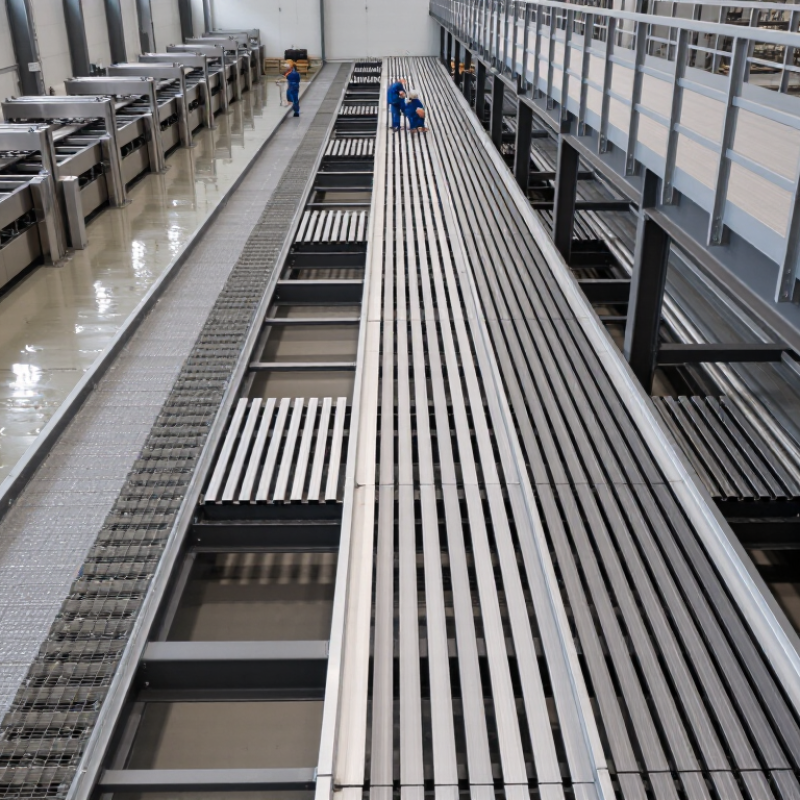
What Is the Best Swaged Grating for 2026?

What Swaged Grating Is and How It Is Made

What Is the Best Swaged Grating for 2026?
What Swaged Grating Is and How It Is Made

Swaged grating is a metal grid made from load-carrying bearing bars and smaller cross bars. During production, cross bars pass through prepared openings in the bearing bars. Pressing machinery then deforms or locks the intersections, creating a rigid panel without welding every crossing. The result has open spaces for drainage and airflow, with a firm surface underfoot. Small details matter: bar depth, spacing, span, and material all affect how the panel performs.

Choosing a suitable panel starts with its actual load and support conditions, not a “heavy-duty” label. NAAMM’s Metal Bar Grating Manual provides load tables organized around factors such as bearing-bar dimensions, spacing, and span. These are useful engineering reference data, but the selected panel still needs checking against project loads and deflection limits. A tidy-looking grid can feel springy over a long span. Easy to overlook. I would not treat a familiar pattern as proof that it fits.

Tips: Confirm the clear span and support layout before ordering. Check the grating’s material, surface finish, and bearing-bar direction against the site conditions. Ask for the applicable load-table data and verify that it matches the proposed panel dimensions.

What Is the Best Swaged Grating for 2026?

Common Grid Spacing Options for Swaged Grating

Swaged grating is made by mechanically pressing cross bars into bearing bars to form a rigid grid. The pitches shown are common nominal layout options, not a universal specification; the best configuration depends on the required loads, spans, and opening size.

Key Performance Factors in Swaged Grating

What Is the Best Swaged Grating for 2026?

Key Performance Factors in Swaged Grating

The right swaged grating depends on the span, load, and conditions at the site—not on a single load rating. Bearing-bar depth and thickness affect strength and deflection, while cross-bar spacing influences how the panel feels underfoot. Span matters. Check the actual support distances and expected loads before comparing specifications. A rating without its test conditions is not enough.

Material and finish deserve equal attention. Galvanized steel can suit many outdoor settings, but exposure to moisture, chemicals, or salt may call for a different material or protection system. Confirm that the finish covers cut edges and connection points, where corrosion can begin. Small gaps matter. Mesh size affects drainage, debris buildup, and whether small tools or objects can pass through.

Installation details can change performance. Panel orientation, support contact, fastening, and fit all matter; a well-rated panel can still rock if its supports are uneven. Review drawings and supplier data against the real layout, including openings and edge conditions. I would not choose by strength alone. It is easy to overlook maintenance access or the way a panel will be lifted for inspection. A careful comparison may feel less tidy than a simple ranking, but site conditions rarely fit one.

Common Materials and Configurations

What Is the Best Swaged Grating for 2026?

Common Materials and Configurations

The best choice depends on span, load, exposure, and maintenance access. Carbon steel suits heavy-duty platforms and is commonly hot-dip galvanized for outdoor use. Stainless steel resists corrosion in washdown or coastal areas; grade 316 is often preferred where chlorides are present. Aluminum reduces dead load, but its lower stiffness may require deeper bearing bars or shorter spans. There is no universal winner.

Swaged grating joins cross bars to bearing bars under pressure, creating a firm panel. Common layouts use rectangular bearing bars with square or rectangular cross bars. Select bar depth and spacing from the actual design load and support span, not appearance alone.

The World Steel Association reported 1,882.6 million tonnes of global crude steel production in 2024. That scale reflects steel’s broad industrial role, not guaranteed corrosion performance. NACE International’s IMPACT study estimated annual corrosion costs at US$2.5 trillion, or 3.4% of global GDP. Material selection deserves attention. Small details matter.

Tips: Check load tables, panel direction, edge support, and finish compatibility before ordering. For wet walkways, serrated bearing bars can improve grip. A cheaper coating may look adequate at installation, then disappoint. That trade-off is easy to underestimate.

How to Match Grating to Application Requirements

What Is the Best Swaged Grating for 2026?

How to Match Grating to Application Requirements

The best swaged grating depends on the job, not a single specification. Start with the load: pedestrian traffic, rolling carts, or heavier equipment place different demands on the bearing bars. Check the clear span and support conditions, then compare them with verified load tables. A grating that feels rigid over a short opening may flex noticeably across a longer one. Small details matter.

Next, consider the environment and daily use. Wet floors may call for an open pattern that drains quickly, while small wheels or narrow heels need closer spacing. In corrosive areas, confirm that the selected material and finish suit the actual exposure. For outdoor walkways, also assess slip resistance, drainage, and how the panels will be secured. No coating fixes a poor material choice.

Ask how panels will be lifted, cut, and maintained. Removable sections can simplify access to pipes or equipment, but they need dependable restraints. I would not choose by bar depth alone; that shortcut can overlook deflection, edge support, and installation limits. A specification can still miss something. Review site measurements and manufacturer load data with a qualified engineer before ordering, especially where loads or conditions are uncertain.

How to Evaluate Swaged Grating Options for 2026

What Is the Best Swaged Grating for 2026?
How to Evaluate Swaged Grating Options for 2026

Choosing a swaged grating starts with the job it must do. Record the clear span, expected loads, support locations, and opening size before comparing products. A grating that feels rigid underfoot may still be unsuitable for a longer span. Check published load tables for the exact panel dimensions and support arrangement, not just a general product category. Ask for material and coating details, too. Wet, salty, or chemically exposed areas need different corrosion considerations than dry indoor floors.

Inspect how the bearing bars and cross bars are joined, and look for consistent spacing, straight edges, and clean panel cuts. Confirm the surface suits the site: smooth finishes are easier to clean, while serrated surfaces can improve grip where water or debris collects. Request documentation for applicable project specifications and tolerances. Small differences matter. In practice, drawings can miss an awkward support or a maintenance access point; verify measurements on site where possible. It is easy to overlook.

Tips: Compare at least two load-and-span options using the same assumptions. Ask how panels will be fastened and replaced. Keep a sample nearby, then assess its finish and openings under the actual lighting and footwear conditions.

What Is the Best Swaged Grating for 2026? — How to Evaluate Swaged Grating Options for 2026

Option or evaluation factor Typical configuration or performance Best suited to Key trade-off or check
Hot-dip galvanized carbon steel Swaged bearing bars and cross bars with a zinc coating applied after fabrication; bar depth, thickness, and spacing are selected for the design load and span. General industrial platforms, walkways, and outdoor areas where strength and corrosion protection are both required. Check coating coverage at cut edges and welds, the service environment, and whether the added coating thickness affects fit or clearance.
Type 304 stainless steel Stainless bearing bars and swaged cross bars; available in project-specific bar sizes and spacing. Cleanable or damp indoor settings and many general-purpose food-processing or architectural applications. Assess exposure to chlorides, cleaning chemicals, and moisture. Grade selection should reflect the actual corrosion environment.
Type 316 stainless steel Stainless construction with molybdenum-bearing alloy composition; the finished grating still requires load and corrosion review. More chloride-exposed or chemically demanding locations, including some coastal and process environments. Usually costs more than Type 304 and is not immune to corrosion; confirm suitability for the specific chemicals and exposure conditions.
Aluminum alloy Lightweight swaged construction; alloy, bar profile, and support spacing affect strength and deflection. Access platforms, equipment areas, and projects where lower panel weight or easier handling is important. Aluminum generally has lower stiffness than steel, so check deflection, concentrated loads, temperature, and contact with dissimilar metals.
Bearing-bar spacing and depth Specify bearing-bar pitch, bar depth, and thickness against the required clear span and load. These are configurable dimensions, not one universal swaged-grating size. Every application; bearing bars carry the primary load across the supports. Request a load table or calculation for the exact material, panel orientation, span, and support conditions.
Cross-bar spacing and opening size Choose cross-bar spacing and mesh opening to balance panel rigidity, drainage, ventilation, light transmission, and object passage. Walkways, platforms, drainage areas, and locations with specific safety or access requirements. Verify applicable opening limits, heel and tool passage requirements, and local building or workplace safety rules.
Plain or serrated surface Plain top surfaces suit many dry, clean areas; serrated bearing-bar tops can improve traction where slip risk is higher. Select according to the likelihood of water, oil, ice, debris, or frequent foot traffic. Serrations do not replace a site-specific slip assessment; consider footwear, cleaning, drainage, and maintenance.
Panel layout, edges, and attachments Define panel length and width, support direction, cut-outs, banding, and fastening method before fabrication. Projects where accurate installation, removable access, or equipment openings matter. Confirm field dimensions, bearing-bar orientation, support details, and fastener material compatibility.
2026 selection verdict There is no single best swaged grating for every project. Choose the material and configuration that meet the documented load, span, corrosion, slip-resistance, opening, and installation requirements. Treat dimensions and availability as supplier- and project-dependent, and verify the final design against current codes and engineering requirements.

Note: “Typical” describes configurable industry options, not a guaranteed specification. Final load capacity depends on material, bearing-bar dimensions and spacing, clear span, support conditions, and the applicable design criteria.

FAQS

What is swaged grating?

It uses load-carrying bearing bars and smaller cross bars. Machinery locks their intersections without welding every crossing. The open grid allows airflow and drainage.

How is swaged grating made?

Cross bars pass through prepared openings in the bearing bars. Pressing machinery deforms or locks each intersection into a rigid panel. The exact process can vary.

What details affect panel strength and deflection?

Bearing-bar depth, thickness, spacing, and clear span all matter. Support conditions and expected loads matter too. Span matters.

How should I choose a grating panel for a walkway?

Check pedestrian traffic, support distances, and verified load-table data. Wet floors may need drainage, while narrow heels or small wheels may need closer spacing. A simple rating may not tell the whole story.

Which material and finish suit outdoor or corrosive areas?

Match the material and protection system to moisture, salt, or chemical exposure. Check that cut edges and connection points are protected. Small gaps matter.

Why does bar direction matter during installation?

Bearing bars need to align with the intended support layout. Uneven supports, poor fastening, or incorrect orientation can make a panel rock, even when its rating looks suitable.

How can mesh spacing affect everyday use?

Mesh size affects drainage, debris buildup, and whether small objects can fall through. Closer spacing may help with small wheels, but site needs differ. It is easy to miss this.

What should I check before ordering removable panels?

Confirm measurements, edge support, fastening, and the method for lifting each section. Removable panels can improve access to pipes or equipment, but they need reliable restraints. I might still overlook a detail; review uncertain loads with a qualified engineer.

Conclusion

Choosing the best Swaged Grating for 2026 starts with understanding how it is made: bearing bars and crossbars are mechanically joined under pressure to create a stable, open grid. This construction can provide strength, consistent spacing, and efficient drainage or airflow. Performance depends on factors such as load capacity, bar dimensions, opening size, surface traction, corrosion resistance, and the conditions in which the grating will be used.

Common options include steel and aluminum, with different bar profiles and panel configurations suited to different needs. To match a grating to an application, consider expected loads, foot traffic, exposure to moisture or chemicals, installation constraints, and maintenance requirements. Compare technical specifications and verify that each option meets the project’s performance and safety criteria. The best choice is not simply the strongest or least expensive; it is the configuration that delivers the right balance of durability, usability, and lifecycle value for the intended environment.


Aria

Aria

Aria is a dedicated marketing professional with a deep passion for innovative strategies and a keen understanding of our company's product offerings. With a wealth of experience in the industry, Aria excels at crafting engaging content that highlights the unique features and benefits of our......