Choosing the right Carbon Steel Grating can greatly impact your project's success. According to industry expert John Smith, "The right grating can enhance safety and durability." Understanding the various types and their applications is crucial.
Carbon Steel Grating offers strength and reliability. It's essential in industries such as construction and manufacturing. However, the selection process can be overwhelming. Factors like load capacity, spacing, and surface finish must be considered.
While many options exist, not all carbon steel gratings are equal. Some may corrode more quickly in certain environments. Others might not meet specific load requirements. Careful analysis can prevent costly errors and ensure a solid foundation for your project.
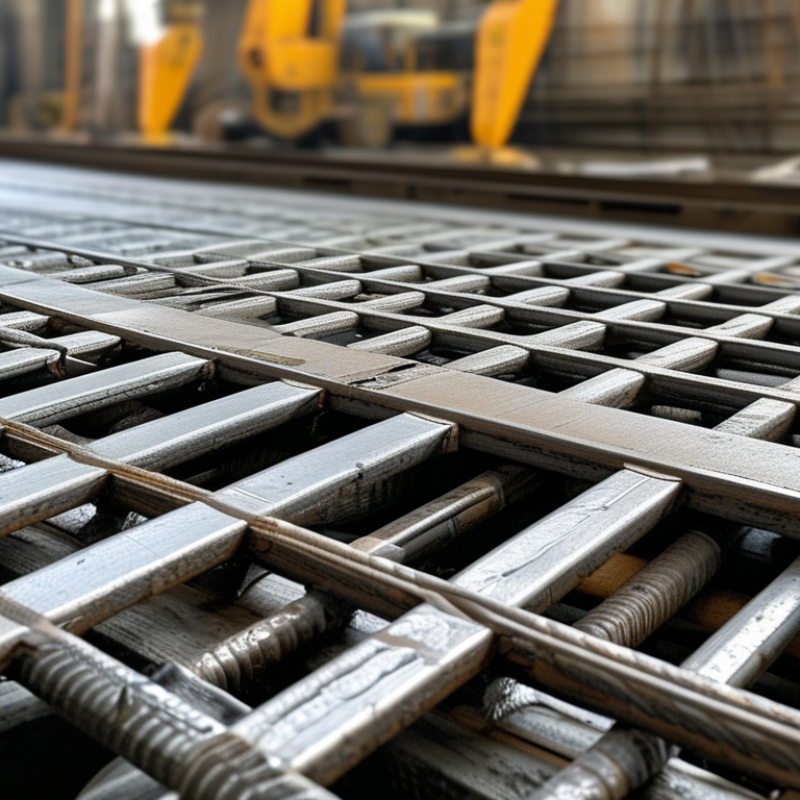
When selecting carbon steel grating for your project, consider various factors to ensure optimal performance. The load-bearing capacity is crucial. Different applications require different strength levels. Check the specifications and weight tolerances to ensure the grating can withstand the expected loads.
Surface types also matter. Some grating has a smooth finish, while others are designed with slip-resistant features. The environment impacts this choice significantly. For outdoor projects, consider exposure to moisture or chemicals, which could lead to rust.
Finally, dimensions are essential. Evaluate the spacing between bars and overall size. This can affect installation and usability. An ill-fitting piece may lead to unforeseen complications. Reflecting on these aspects will aid in making informed decisions.
When selecting carbon steel grating, it's essential to understand the different types available. Bar grating is one of the most common forms. It features parallel bars that provide strength and support. This type is often used in industrial applications like walkways and platforms. Another option is expanded metal grating. It’s made from a single sheet of metal and offers excellent airflow and visibility. This makes it suitable for uses in drainage systems and HVAC applications.
Tips for choosing the right type include considering load requirements. Consider how much weight the grating will bear. A heavier load demands more robust grating. Also, evaluate environmental factors. Will the grating be exposed to chemicals or extreme weather? These conditions can affect the longevity of the material.
Lastly, look into maintenance needs. Some grating options require regular inspection. Others might need less frequent upkeep. Ensure you understand these aspects. They play an important role in selecting the best grating for your project. Consider your specific project requirements thoroughly before making a selection.
When selecting carbon steel grating, understanding load requirements is critical. Load capacity is influenced by the grating's material, design, and spacing. Different applications demand different strengths. For instance, industrial settings typically require stronger grating. Areas with heavy machinery or foot traffic must tolerate substantial weight.
Span calculations play a vital role here. The distance between supports directly affects how much weight grating can handle. Shorter spans offer better support and reduce the risk of failure. Engineers often use formulas to identify the optimal span dimensions. If calculations aren't done correctly, it can lead to safety hazards or costly repairs. Consideration of load type—whether static or dynamic—is also necessary.
It is essential to evaluate these aspects thoroughly. A mistake in load assessment or span calculations can compromise safety. Rely on experienced professionals who understand structural needs. Their insights can help select the appropriate grating that meets project demands effectively.
When selecting carbon steel grating, surface treatments and finishes play a crucial role in durability. The right treatment can enhance resistance to corrosion and wear. Common options include galvanizing and powder coating, each providing distinct advantages. Galvanization offers excellent rust protection, while powder coating provides a colorful finish that resists scratching.
Tips: Consider your project's specific environment. Coastal areas require more robust finishes due to salt exposure. On the other hand, dry, indoor environments may allow for lighter treatments. Evaluate long-term costs versus immediate price tags. A higher upfront cost on finishes can pay off in reduced maintenance down the line.
Moreover, it's essential to understand that not every surface treatment is suitable for every application. Some treatments may not hold up under heavy foot traffic or extreme temperatures. Do thorough research and consult industry experts to find the best match for your needs. Taking the time to choose the right surface treatment can ensure your grating lasts longer in demanding conditions.
| Property | Description | Surface Treatment Options | Durability Rating |
|---|---|---|---|
| Load Capacity | The maximum weight that the grating can support. | Hot-dipped Galvanized, Powder Coated | High |
| Weight | The overall weight of the grating, influencing installation and support. | Epoxy Coated, Painted | Medium |
| Corrosion Resistance | Ability to withstand harsh environments without rusting. | Galvanized, Stainless Steel Integration | Very High |
| Aesthetic Appeal | Visual suitability for the intended application. | Custom Finish, Powder Coating | Medium |
| Maintenance Requirements | Frequency and type of maintenance needed to ensure performance. | Regular Cleaning, Protective Coatings | Low |
When planning a project involving carbon steel grating, budgeting is crucial. Consider the price range of different materials. Higher quality steel may cost more but can offer better durability. Analyze the specifics of your project. Are you installing grating in a high-traffic area or a damp environment? These factors can influence your costs significantly.
It’s also important to factor in long-term expenses. Cheaper options might require frequent replacements or maintenance. Calculate the total cost of ownership over time. This perspective is often overlooked. For some projects, investing more upfront can save money later.
Additionally, unexpected costs can arise. Ensure there’s flexibility in your budget. Consult with professionals for accurate estimates. Seek advice from experts, who can provide insights based on previous projects. Being thorough in your budgeting can prevent future headaches and lead to a successful installation.
: Load capacity depends on material, design, and spacing. Applications vary in strength requirements.
Span calculations affect the weight grating can handle. Shorter spans provide better support and reduce risks.
Incorrect calculations can lead to safety hazards and costly repairs. Always ensure accuracy in assessments.
Common treatments include galvanizing and powder coating. Each offers distinct benefits for durability.
Coastal areas need robust finishes for salt protection. Indoor environments might allow for lighter treatments.
Experienced professionals help assess structural needs. Their guidance is crucial for choosing the right grating.
No, some treatments may fail under heavy traffic or extreme heat. Research is necessary for suitable options.
Higher upfront costs might reduce future maintenance. Evaluate the overall value before making decisions.
Static and dynamic loads impact the choice of grating. Assessing load type is vital for safety.
Yes, not all treatments withstand tough conditions. Ensure the selected finish meets your project's demands effectively.
When selecting the best carbon steel grating for your project, several key factors need to be considered. Understanding the various types of carbon steel grating and their specific applications is crucial, as different installations may require different grating styles. Load requirements and span calculations are also essential to ensure safety and functionality, as is considering appropriate surface treatments and finishes to enhance durability in various environments.
Additionally, cost considerations and budgeting will play a significant role in your decision-making process. It’s important to balance quality with budget constraints while ensuring that the selected carbon steel grating meets all necessary specifications for your project. By carefully evaluating these factors, you can make an informed choice that aligns with both performance needs and financial feasibility.

Jiulong