10 Essential Tips for Choosing Stainless Steel Drain Grate?

Time:2026-08-19 Author:Amelia
0%

Choosing the right Stainless Steel Drain Grate can greatly impact your drainage system’s efficiency. Renowned plumbing expert, John Smith, emphasizes, “A quality drain grate can prevent clogs and enhance flow.” With a multitude of options available, finding the ideal grate requires careful consideration.

Stainless Steel Drain Grates come in various styles and designs. Each option has its advantages and drawbacks. Understanding these can help you make a more informed decision. Factors such as size, load capacity, and aesthetics should influence your choice.

Investing time in selecting the proper Stainless Steel Drain Grate is critical. A poor choice could lead to frequent maintenance or costly replacements. Not every grate suits every situation. Therefore, reflecting on your specific needs is crucial for long-term satisfaction. Each decision counts in ensuring durability and functionality.
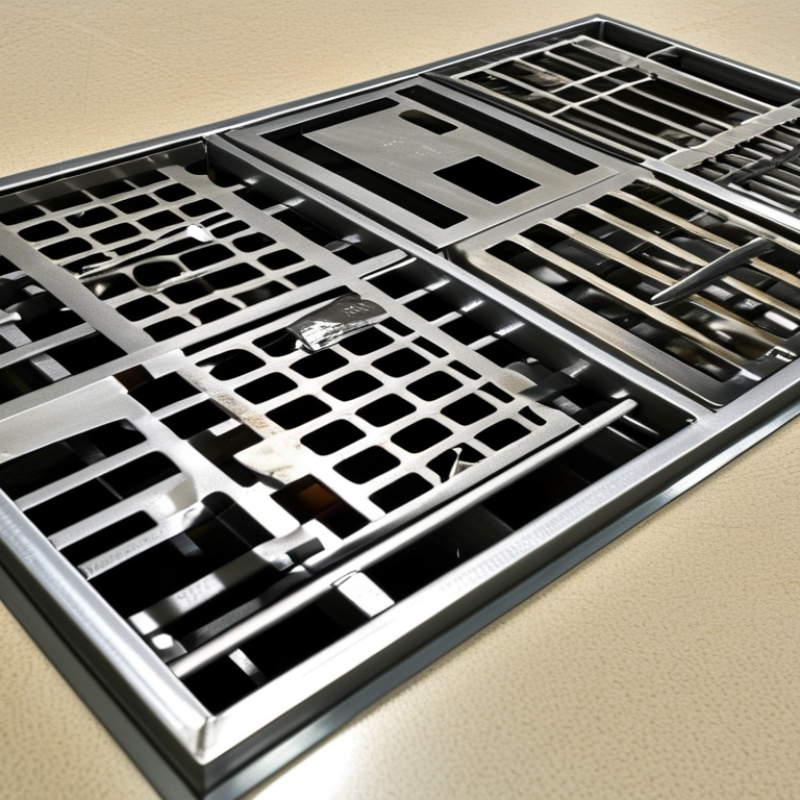
10 Essential Tips for Choosing Stainless Steel Drain Grate?

Understanding the Importance of Stainless Steel Drain Grate in Hydrology

Stainless steel drain grates play a critical role in hydrology. They manage water flow effectively, preventing flooding and erosion. A well-designed grate allows for optimal drainage, which is essential in urban areas where stormwater can accumulate. When water flows properly, it protects infrastructure and supports ecological balance.

Using stainless steel offers durability and corrosion resistance. This is vital, especially in coastal or polluted environments. The material can withstand harsh weather conditions. Yet, not all stainless steel is equal. Understanding grades and finishes can help in selecting the right product. A poor choice may lead to rust and degradation, requiring replacements sooner than expected.

Design is another important aspect. Grates should fit snugly and be easy to clean. Some designs can trap debris, leading to blockages. Regular maintenance is needed to keep them functioning well. Reflecting on the various options can help in making informed decisions. Consideration of aesthetics is also crucial, as they create visual appeal in landscaping.

Key Factors in Assessing the Durability of Stainless Steel Materials

When assessing the durability of stainless steel materials for drain grates, several key factors emerge. Corrosion resistance is paramount. According to a report by the International Stainless Steel Forum, grades like 304 and 316 exhibit optimal resistance to rust and oxidation. These materials can withstand exposure to moisture and chemicals prevalent in drainage systems.

Another critical aspect is tensile strength. Higher tensile strength ensures that the grate can bear heavy loads without bending or breaking. Studies indicate that stainless steel grades with a tensile strength above 500 MPa are suitable for high-traffic areas. Additionally, surface finish plays a role in longevity. A polished finish can offer better protection against debris accumulation and staining, extending the product's lifespan.

However, not all stainless steel is created equal. Some lower-quality grades may look appealing but fall short in performance over time. Moreover, even high-quality grates can fail if not properly installed. Attention to installation techniques can greatly influence the overall durability. Regular maintenance checks can help identify potential vulnerabilities before they escalate, ensuring a long-lasting solution.

Evaluating Drain Grate Design: Size, Shape, and Flow Capacity Considerations

When selecting a stainless steel drain grate, consider its design in terms of size, shape, and flow capacity. A well-designed drain grate accommodates heavy rainfall and prevents flooding. The size must fit your drainage system perfectly. A grate that is too small may not handle water efficiently. Conversely, an oversized grate can create gaps that allow debris to enter the drainage system.

Shape matters too. Square grates can be more versatile than round ones in various installations. They often allow for more efficient flow, especially when channels are involved. Evaluate how the shape complements your landscape and drainage needs. Flow capacity is crucial. Choose a grate that maximizes water flow while minimizing debris buildup. Too restrictive a design can lead to blockages.

When choosing, think about installation ease. An ideal grate should fit seamlessly and be easy to clean. Small, manageable grates are often overlooked, yet they can lead to bigger issues over time. Reflect on your environment. Consider the weather patterns; heavy rains may require more robust drainage solutions. If you're uncertain, consulting a professional can provide tailored advice for your specific situation.

Comparing Finish Options: Mill Finish vs. Polished Stainless Steel Grates

When selecting stainless steel drain grates, one of the primary considerations is the finish. Mill finish and polished stainless steel are two common options, each with distinct characteristics. Mill finish grates offer a raw, industrial look. They tend to be less shiny and can blend seamlessly into a variety of settings. According to industry reports, mill finish products are often more economical, making them a suitable choice for budget-conscious projects.

On the other hand, polished stainless steel grates are known for their aesthetic appeal. These grates have a reflective surface that enhances the overall appearance of spaces. They are often preferred in high-end installations. Data indicates that polished finishes can resist corrosion better due to their smooth surface. However, they may require more maintenance to keep them looking pristine. The debate on which finish to choose can be complex. Some may find the durability of a mill finish unsuitable for certain environments. Yet, others question the practicality of polished options in heavy-use areas.

In real-world applications, consider how each finish withstands wear and tear. Mill finish may not show scratches as easily, while polished surfaces can reveal surface imperfections swiftly. Balancing aesthetics with functionality is crucial. A well-informed decision should weigh both the visual and practical aspects of these finishes for optimal results.

10 Essential Tips for Choosing Stainless Steel Drain Grate - Comparing Finish Options: Mill Finish vs. Polished Stainless Steel Grates

Feature Mill Finish Polished Finish
Appearance Matte, less reflective Shiny, reflective surface
Corrosion Resistance Good, but less than polished Excellent, higher resistance
Maintenance Requires regular cleaning Easier to clean and maintain
Cost Generally less expensive Higher cost due to processing
Durability Strong, but more prone to scratches Highly durable, less prone to scratches

Cost Analysis: Budgeting for Quality versus Standard Stainless Steel Grates

When considering stainless steel drain grates, budgeting is crucial. There are two main categories: quality and standard grates. Quality stainless steel grates typically use more durable materials and advanced manufacturing methods. This can lead to a longer lifespan, making them a better investment for high-traffic areas. However, they come with a higher initial cost.

Standard grates, while more affordable, often lack resilience. They might corrode faster or require replacement sooner. This can lead to higher long-term expenses. Homeowners may feel tempted to save upfront but should weigh potential repair costs. Analyzing these factors can help make an informed decision.

Think about the specific environment of the installation. Will it face heavy foot traffic or harsh weather? These elements play a key role in material choice. It’s important to choose wisely. Investing in quality may seem daunting, but it can prevent additional repairs later. Reflect on your needs and make a thoughtful choice.

FAQS

: What is the most important factor in assessing stainless steel durability?

: Corrosion resistance is paramount for stainless steel materials, particularly for drain grates.

Which grades provide optimal rust resistance?

Grades like 304 and 316 exhibit superb resistance to rust and oxidation, handling moisture well.

Why is tensile strength significant for drain grates?

Higher tensile strength ensures that grates can support heavy loads without bending or breaking.

How does surface finish affect a drain grate's lifespan?

A polished finish offers better protection against debris and staining, which can enhance durability.

Can lower-quality stainless steel be problematic?

Yes, lower-quality stainless steel may look good but can underperform over time and fail prematurely.

What role does installation play in durability?

Proper installation techniques are critical; even high-quality grates can fail if installed incorrectly.

Why is the design of the drain grate important?

Proper size and shape prevent flooding and blockages, ensuring effective water flow and drainage.

What is the difference between mill finish and polished stainless steel?

Mill finish has a raw look and is economical, while polished offers aesthetic appeal with better corrosion resistance.

How do maintenance needs vary between finishes?

Polished surfaces require more maintenance to stay pristine, while mill finishes hide scratches better.

What should be considered regarding weather patterns?

Reflect on local weather; heavy rains might necessitate stronger drainage solutions for effective management.

Conclusion

The article "10 Essential Tips for Choosing Stainless Steel Drain Grate" explores the critical role that stainless steel drain grates play in effective hydrology management. It emphasizes the importance of assessing the durability of stainless steel materials, which is vital for ensuring long-lasting performance in various environments. Key considerations include evaluating the design aspects such as size, shape, and flow capacity, which directly impact efficiency and functionality.

Furthermore, the comparison between mill finish and polished stainless steel grates highlights the aesthetic and practical differences, allowing consumers to make informed choices based on their specific needs. Lastly, a cost analysis guides readers in budgeting effectively, balancing the need for high-quality materials against standard options. This comprehensive approach equips readers with the necessary knowledge to select the optimal stainless steel drain grate for their projects.


Amelia

Amelia

Amelia is a seasoned marketing professional with a wealth of expertise in our company’s core offerings. With an unwavering passion for driving growth and innovation, she plays a pivotal role in shaping our marketing strategies and enhancing brand visibility. A key aspect of her responsibilities......