What is Steel Grating and How to Choose the Right Type?

Time:2026-08-13 Author:Liam
0%

Steel grating is an essential component in various industrial and commercial applications. Its unique design provides strength, durability, and slip resistance. Understanding steel grating can be complex, yet it is crucial for making informed choices. Selecting the right type can enhance safety and efficiency in any project.

When considering steel grating, factors such as load capacity, spacing, and finish play a significant role. You'll need to evaluate the specific needs of your project. A wrong choice can lead to increased costs and safety hazards. This topic is not just about materials, but about creating the right environment.

As you delve into the world of steel grating, keep an open mind. There are various types available, each with distinct features. It’s essential to weigh the pros and cons. Reflecting on these details will help you make a better decision.
What is Steel Grating and How to Choose the Right Type?

Definition and Composition of Steel Grating

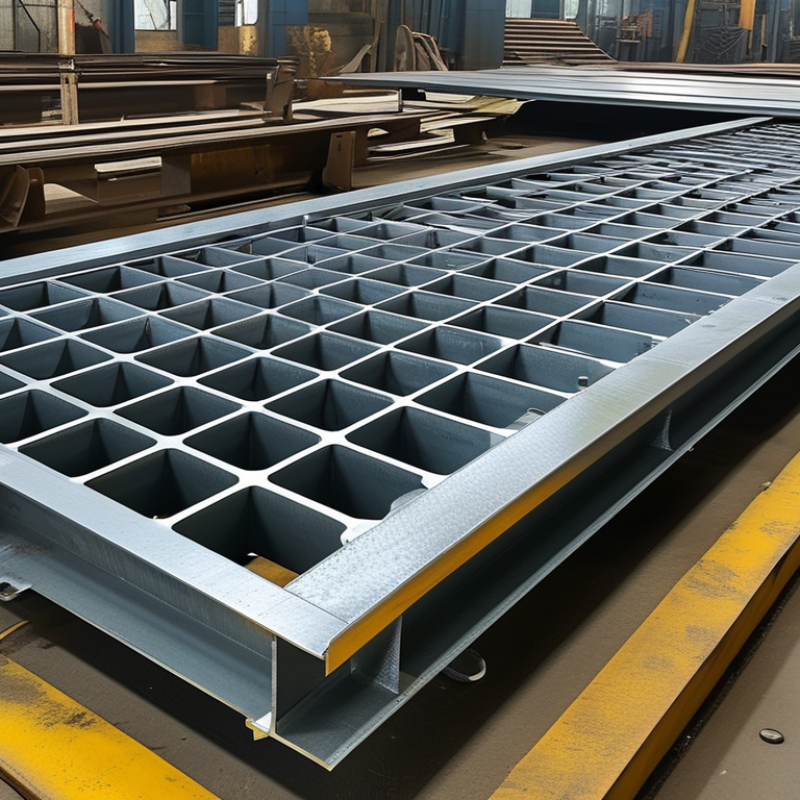
Steel grating is a critical component in various industrial applications. It consists of a grid made from steel bars that are welded together, forming a durable and slip-resistant surface. The composition of steel grating typically includes carbon steel, stainless steel, or aluminum, chosen for their strength and resistance properties. According to a recent market report, the global steel grating market is anticipated to reach USD 2.3 billion by 2027, reflecting its rampant demand in construction, manufacturing, and infrastructure sectors.

The production process involves precision cutting and welding of steel strips, resulting in a uniform grid with specific load-bearing capabilities. Common types include welded, swaged, and pressure-locked grating, each with unique benefits. For example, welded grating provides a flat surface ideal for walkways. A study by the Industrial Performance Group highlights that properly chosen steel grating can reduce maintenance costs by 25%. However, one must assess load requirements, environmental factors, and safety standards thoroughly. In practice, mistakenly selecting an inadequate type can lead to safety hazards and unexpected maintenance issues.

Moreover, the choice of steel, whether galvanized or painted, influences corrosion resistance and longevity. Galvanized steel grating can last up to 20 years in harsh environments. Yet, even with advanced materials, wearing and fading over time pose challenges. This requires ongoing evaluation of grating conditions to ensure optimal performance in demanding applications.

What is Steel Grating and How to Choose the Right Type?

Type of Steel Grating Composition Applications Characteristics
Mild Steel Grating Carbon Steel Walkways, Platforms Cost-effective, Good Load Bearing
Stainless Steel Grating Stainless Steel Alloy Food Processing, Chemical Plants Corrosion Resistant, Durable
Aluminum Grating Aluminum Alloy Lightweight Structures, Walkways Lightweight, Corrosion Resistant
Fiberglass Grating Fiberglass Reinforced Plastic Chemical Facilities, Marine Applications Non-corrosive, Insulative

Types of Steel Grating and Their Applications

Steel grating is a versatile material used across various industries. Different types of steel grating serve unique purposes. For instance, welded steel grating is commonly used for heavy-duty flooring in industrial applications. Its load-bearing capacity makes it ideal for environments with heavy machinery. A report from the Global Steel Grating Market Insights indicates that the industrial segment comprises over 60% of the total market share.

Another popular type is molded fiberglass grating. It's lightweight and resistant to corrosion. Such properties suit chemical processing plants where exposure to harsh substances is common. According to the Market Research Future report, the demand for fiberglass grating is expected to grow annually by 3.5%. This growth reflects industries recognizing the benefits of using materials that reduce maintenance costs.

Expanded metal grating is another option often utilized in walkways and platforms. Its design allows for better drainage and airflow while providing slip resistance. Yet, choosing the right type can be challenging. Each application has specific requirements. Misjudging these needs can lead to safety issues. Understanding the nuances of steel grating types is crucial for making informed decisions.

Factors to Consider When Choosing Steel Grating

Choosing the right type of steel grating is essential for safety and efficiency in various applications. Several factors come into play. Load-bearing capacity is crucial. Heavy equipment requires grating that can support significant weight. According to industry standards, gratings should adhere to load classifications like those set by the American National Standards Institute (ANSI). Choosing the wrong type can lead to structural failures.

Environmental conditions also affect selection. For example, corrosion resistance is vital in coastal areas. Stainless steel or galvanized options offer better durability under such conditions. In fact, data from the Steel Grating Industry Association shows that properly selected grating can extend service life by up to 20 years.

Considerations around slip resistance are important too. This is particularly true in industrial settings where accidents can occur. Textured surfaces provide better grip, thus enhancing safety. However, the degree of texturing may affect cleaning procedures, posing a dilemma for maintenance teams. Balancing safety and maintenance is essential when making your choice.

Installation Methods for Steel Grating

Installing steel grating involves several important considerations. Proper preparation of the surface is essential. Ensure that the load-bearing framework is sturdy. Any weak points can lead to failure. Use a level to make sure the base is flat. This step cannot be overlooked.

When choosing an installation method, think about the location. Some areas may require welding, while others might be better suited for bolted connections. Each method has its advantages. Welding offers a permanent solution, but may limit future adjustments. Bolted connections allow for easier maintenance and replacements. Always select the method that best suits the environment.

After installation, inspect the grating regularly. Look for signs of wear or damage. It's important to address small issues before they become bigger problems. Remember, even the strongest materials can fail if not properly maintained. Take time to reflect on your installation choices; they should align with the intended use of the grating. Regular maintenance is key to ensuring long-lasting performance.

Maintenance and Safety Considerations for Steel Grating

Maintenance is crucial when it comes to steel grating. Regular inspections help identify wear and tear early. Look for cracks, rust, or any structural damage. Neglecting these issues can lead to safety hazards. Clean the grating often to remove debris and contaminants, which can cause slips and falls.

Safety considerations cannot be overlooked. Ensure that the grating is properly secured to prevent movement. Use grating with appropriate load ratings for your specific application. It's important to communicate safety measures to all users. Training staff on how to use and maintain the grating effectively can reduce accidents.

Sometimes, it is easy to overlook small details. Minor rust spots, if ignored, can develop into larger problems. Be proactive with maintenance, not reactive. Establish a routine that addresses both cleaning and structural checks. This approach fosters both safety and longevity for your steel grating installations.

Steel Grating Types and Their Usage Frequency

This bar chart illustrates the frequency of usage for different types of steel grating over a month. Bar grating is the most commonly used type, followed by diamond grating and I-bar grating, while micro grating and heavy-duty grating have lower usage rates.

FAQS

: What factors should I consider when choosing steel grating?

: Consider load-bearing capacity, environmental conditions, and slip resistance. Each factor affects safety.

Why is load-bearing capacity important?

It ensures that grating supports significant weight. Incorrect choices can lead to structural failures.

How does the environment affect steel grating selection?

Corrosion resistance is vital in harsh environments. Stainless or galvanized options provide better durability.

What kind of maintenance is required for steel grating?

Regular inspections for cracks and rust are critical. Clean debris often to prevent slips.

What should I do if I notice wear on my grating?

Address small issues quickly. Ignoring them may lead to larger safety hazards.

Is it better to weld or bolt steel grating during installation?

Welding provides a permanent solution, while bolting allows for easier maintenance. Choose based on your needs.

How can I enhance safety with steel grating?

Use textured surfaces for better grip. Communicate safety measures and train staff properly.

What routine should I establish for steel grating maintenance?

Create a schedule for cleaning and structural checks. Proactivity is key to longevity.

Can small rust spots be a problem?

Yes, if ignored, they can develop into larger issues. Always be proactive in addressing maintenance.

How does installation method affect performance?

The right method should align with your environment. Consider both accessibility and long-term needs.

Conclusion

Steel grating is a versatile and durable product commonly used in various construction and industrial applications. Comprised of interconnected metal bars, steel grating comes in several types, including welded, press-locked, and swage-locked variations, each suited for specific uses such as flooring, walkways, and drainage covers. When selecting the right type of steel grating, important factors to consider include load capacity, spacing, and the environment where the grating will be installed.

Additionally, proper installation methods are crucial to ensure the longevity and safety of steel grating. Regular maintenance checks can help prevent hazards, while safety considerations such as slip resistance and corrosion protection should not be overlooked. By understanding the definition, types, and critical factors related to steel grating, users can make informed decisions for their specific needs.


Liam

Liam

Liam is a dedicated marketing professional with a profound expertise in the industry, where he excels at highlighting the unique advantages of our core products. With a keen understanding of market trends and consumer needs, Liam frequently updates our company’s professional blog, providing......