Forge Welded Grating supports demanding floors, walkways, platforms, stairs, drainage covers, and industrial access routes. Its bearing bars and cross rods are welded under controlled pressure, creating a rigid, open structure. That construction matters where mud, rain, oil, or falling debris must pass through quickly. It also matters under repeated forklift traffic.
Lena Ortiz, a grating design consultant, explains, “A safe grating begins with the load path, not the catalog photograph.” Her point is practical. Buyers must examine span, load class, bar size, surface treatment, panel dimensions, and fixing methods. A galvanized carbon-steel panel may suit an outdoor platform. Stainless steel may perform better near salt spray or aggressive cleaning chemicals. Serrated surfaces can improve grip, but they may complicate handling and cleaning.
This guide reviews ten Forge Welded Grating types for global buyers. The selection includes standard flat-top panels, serrated grating, heavy-duty grating, stair treads, trench covers, close-mesh designs, and specialized corrosion-resistant options. Each type presents a different balance between strength, drainage, weight, price, and installation speed. Details matter.
A small mistake can become an expensive replacement.
International purchasing also requires careful documentation. Confirm material grades, welding quality, dimensional tolerances, load data, galvanizing requirements, and applicable project standards. Regional expectations can differ. A product accepted on one site may need additional verification elsewhere. Some recommendations remain provisional because real service conditions are rarely perfect. Catalog numbers do not reveal vibration, poor supports, standing water, or rushed installation. That is why experienced buyers compare drawings, samples, inspection records, and supplier capability before ordering.
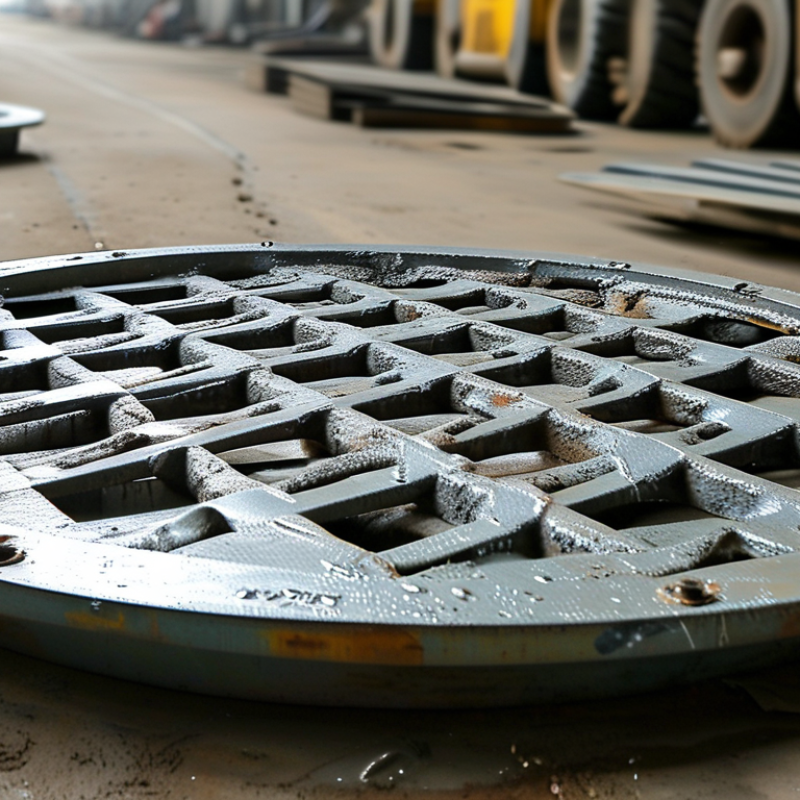
Top 10 Types of Forge Welded Grating for Global Buyers
Forge Welded Grating: Structure, Materials, and Manufacturing Principles
Forge welded grating uses bearing bars and cross bars joined under controlled heat and pressure. Unlike loose assemblies, each intersection forms a rigid load path. The bearing bars carry most vertical weight, while cross bars maintain spacing and lateral stability. Common structures include plain, serrated, heavy-duty, close-mesh, trench, stair, and removable panel designs. Ten common types may differ in surface shape, bar depth, spacing, or application.
Carbon steel offers practical strength and cost efficiency. Stainless steel performs better in wet, corrosive, or hygienic areas. Aluminum reduces weight, but it needs careful load evaluation. During manufacturing, bars are aligned in a press, then welded at repeated intersections. Heat, pressure, bar dimensions, and spacing must remain consistent. Small deviations can create uneven panels. That detail is easy to underestimate.
Tips: Check load tables, open area, surface finish, and panel tolerances before ordering. Ask for material certificates and weld inspection records. Confirm whether serrated surfaces are suitable for footwear, wheels, or cleaning routines. In my experience, drawings often miss drainage direction or support width. A site measurement can reveal this late. It is worth checking twice.
Forge Welded Grating: Structure, Materials, and Manufacturing Principles
The chart compares nominal bearing-bar heights commonly specified for industrial forge welded grating. Carbon steel is widely selected for general platforms, stainless steel for corrosive environments, aluminum for lightweight structures, and galvanized carbon steel for improved atmospheric corrosion resistance. Actual load capacity depends on span, bearing-bar spacing, cross-bar spacing, material grade, surface finish, and applicable standards.
Top 10 Types of Forge Welded Grating for Global Buyers
Ten Core Grating Types Classified by Load, Surface, and Application
Forge welded grating selection starts with load, not appearance. Light-duty grating suits inspection platforms and restricted foot traffic. Medium-duty grating supports factory walkways and service areas. Heavy-duty grating handles forklifts, maintenance carts, and concentrated wheel loads. Extra-heavy grating serves loading zones and industrial access routes. Real load capacity depends on span, bearing-bar size, support spacing, and deflection limits. Check each calculation against NAAMM MBG 531 guidance and project specifications. A ten-type list helps, but it cannot replace an engineer’s review.
Surface design changes traction and drainage. Plain-surface grating offers efficient cleaning and low rolling resistance. Serrated grating improves grip around oil, rain, and loose particles. Anti-slip forge welded grating adds sharper contact edges for wet platforms. Close-mesh grating reduces dropped tools and protects lower work areas. Perforated or small-opening designs can improve foot stability, though drainage may slow. EN ISO 14122-2 provides useful guidance for industrial walkways and working platforms. The choice still needs site testing.
Application creates the final distinction. Stair treads require accurate nosings, visible edges, and secure fixing. Trench covers need verified wheel-load performance and easy lifting access. The World Steel Association reported about 1.88 billion tonnes of crude steel production in 2023, showing the scale of steel infrastructure demand. Yet more steel does not mean better grating. Verify weld quality, zinc coating thickness, tolerances, and traceable test records. A drawing may look complete. Field conditions often disagree.
| No. | Forge Welded Grating Type | Typical Load Class | Common Bearing Bar Range | Surface Configuration | Typical Open Area | Primary Applications | Selection Considerations |
|---|---|---|---|---|---|---|---|
| 1 | Light-Duty Plain Steel Grating | Light | 25–32 mm deep × 3–5 mm thick | Plain, smooth bearing bars with welded round or twisted cross bars | Approximately 60–75% | Walkways, inspection platforms, access panels, ceiling maintenance areas, and low-traffic service platforms | Suitable where pedestrian loads dominate and concentrated wheel loads are not expected. Check span and support spacing before ordering. |
| 2 | Medium-Duty Plain Steel Grating | Medium | 30–40 mm deep × 4–6 mm thick | Plain surface with standard welded cross bars | Approximately 55–75% | Factory floors, plant walkways, mezzanines, utility areas, and general industrial platforms | A practical general-purpose option. The required bearing-bar size depends on the clear span, imposed load, and support condition. |
| 3 | Heavy-Duty Plain Steel Grating | Heavy | 40–100 mm deep × 5–10 mm thick | Plain bearing bars, often combined with reinforced cross bars | Approximately 45–70% | Vehicle-access platforms, loading zones, industrial floors, heavy equipment areas, and freight handling locations | Designed for higher distributed or rolling loads. Local wheel loads and impact loads should be included in the structural design. |
| 4 | Serrated Safety Grating | Medium to Heavy | 25–75 mm deep × 3–8 mm thick | Serrations on the top surface of the bearing bars for improved slip resistance | Approximately 45–75% | Wet walkways, process plants, wastewater facilities, outdoor platforms, ramps, and areas exposed to oil or mud | Provides better traction than plain grating, but serrations do not replace drainage, cleaning, or suitable fall-protection measures. |
| 5 | Heavy-Duty Serrated Grating | Very Heavy | 50–100 mm deep × 6–10 mm thick | Deep serrations with reinforced bearing bars and welded cross bars | Approximately 40–65% | Truck lanes, heavy-duty ramps, mining facilities, steel plants, transfer areas, and high-load industrial platforms | Combines enhanced slip resistance with high load capacity. Confirm wheel size, axle load, impact factor, and support arrangement. |
| 6 | Stainless Steel Forge Welded Grating | Light to Heavy | 25–75 mm deep × 3–8 mm thick | Plain or serrated; smooth, pickled, or passivated finish may be specified | Approximately 45–75% | Food-processing plants, pharmaceutical facilities, chemical plants, marine areas, and hygienic service platforms | Offers strong corrosion resistance without relying on a coating. Select the stainless grade according to chlorides, chemicals, temperature, and cleaning agents. |
| 7 | Hot-Dip Galvanized Steel Grating | Medium to Heavy | 25–100 mm deep × 3–10 mm thick | Plain or serrated steel surface with a zinc coating applied after fabrication | Approximately 45–75% | Outdoor platforms, bridges, power facilities, water-treatment sites, access walkways, and coastal installations | Provides sacrificial corrosion protection. Welded areas, cut edges, drainage details, and the service environment should be reviewed for long-term durability. |
| 8 | Forge Welded Stair Treads | Medium to Heavy | 25–50 mm deep × 3–8 mm thick | Serrated walking surface, usually with a front nosing and end plates | Approximately 45–70% | Industrial stairways, fixed ladders, maintenance stairs, emergency exits, and access towers | Specify tread width, stair angle, nosing profile, end-plate holes, and fixing method. Dimensions should comply with the applicable building or safety regulations. |
| 9 | Trench Cover and Drainage Grating | Medium to Heavy | 25–75 mm deep × 4–10 mm thick | Plain or serrated surface with close spacing selected for drainage and safety | Approximately 35–70% | Drainage channels, service trenches, roadway shoulders, plant rooms, car parks, and pedestrian areas | Frame support, clear opening, drainage flow, heel safety, and occasional vehicle loading are critical. The cover should not project above the surrounding surface. |
| 10 | Close-Mesh Forge Welded Grating | Light to Medium | 25–50 mm deep × 3–6 mm thick | Narrower openings using reduced cross-bar spacing or smaller mesh patterns | Approximately 30–60% | Mezzanine floors, elevated storage areas, platforms above workspaces, conveyor access zones, and locations requiring small-object retention | Reduces the risk of tools or materials falling through the grating. Verify cleaning requirements, drainage performance, deflection limits, and allowable opening size. |
Note: Load classifications and dimensional ranges are typical purchasing references rather than universal ratings. Final selection should be based on bearing-bar span, spacing, support conditions, static or rolling loads, deflection limits, corrosion exposure, and the applicable local or international design standard.
In the Top 10 types of forge welded grating, surface protection should match the exposure, not merely the purchase price. Hot-dip galvanizing remains a practical choice for outdoor platforms, walkways, and drainage areas. ISO 1461 specifies minimum zinc coating requirements according to steel thickness, supporting consistent inspection. Field checks should include coating continuity, bare spots, and edge coverage.
For coastal air, de-icing salt, and chemical splash, duplex protection deserves attention. A zinc layer beneath a compatible paint or powder coating creates additional barrier protection. The NACE IMPACT study estimated global corrosion costs at about US$2.5 trillion annually, equal to roughly 3.4% of global GDP. That figure explains why small finish decisions can affect long-term maintenance budgets. Stainless steel grating offers stronger resistance in severe chloride environments, but alloy selection still matters. “Stainless” is not automatically maintenance-free.
Indoor grating may need only an organic coating, especially in dry warehouses. Wet processing rooms require careful attention to weld zones, cut edges, and trapped moisture. I have seen coating failures begin beneath dirty support clips, not across the open surface. That detail is easy to overlook. Surface preparation remains critical. ISO 8501-1 provides visual cleanliness grades for steel preparation before coating, helping buyers compare supplier procedures. Still, specifications can be imperfect. Ask for coating thickness records, salt-spray results where relevant, and a written repair method. The cheapest finish may be expensive after one overlooked environment change.
Forge-welded grating is specified by structure, not appearance alone. Global buyers commonly compare plain, serrated, galvanized, stainless-steel, trench, stair, and heavy-duty forms. The NAAMM Metal Bar Grating Manual, MBG 531, evaluates panels through bearing-bar size, spacing, span, and design load. Typical bearing bars include 25 × 3 mm, 30 × 3 mm, and 40 × 5 mm profiles. These dimensions are not interchangeable. A 30 × 3 mm bar may suit a walkway, but not a forklift route.
Load evidence matters more than catalogue labels. EN ISO 14122-2 addresses permanent access platforms, while AS 1657 covers access systems and walking surfaces. Their requirements emphasize clear openings, slip resistance, deflection, and safe edge conditions. ASTM A123/A123M provides requirements for zinc coating on fabricated steel products. Stainless grades require separate corrosion assessment, especially near saltwater or chemical washdown areas. Check the actual test certificate.
Small details decide performance. Serrated tops improve grip, yet they can trap mud in outdoor sites. Weld quality should be reviewed through production records, dimensional checks, and visual inspection. For export projects, buyers should request panel length, bearing-bar orientation, cross-bar pitch, surface treatment, allowable load, and deflection limits in one schedule. I would not approve a “heavy-duty” description without a span-load table. That shortcut is common, and sometimes wrong. Project engineers should verify local code requirements before fabrication.
Top 10 Types of Forge Welded Grating for Global Buyers
How Global Buyers Compare, Specify, and Order Forge Welded Grating
Global buyers often compare forge welded grating by load, surface safety, material, and installation method. Common options include standard steel grating, serrated grating, heavy-duty panels, close-mesh grating, stair treads, trench covers, removable panels, stainless steel grating, galvanized grating, and custom-fabricated sections. Each type suits a different working condition.
Specify the bearing bar size, cross-bar spacing, panel length, width, and required finish. Serrated bars improve traction in wet areas, while smooth bars simplify cleaning. Heavy-duty grating supports forklifts and concentrated loads, but it adds weight and shipping cost. Stainless steel resists aggressive environments, though its price may challenge the project budget. Galvanized steel remains a practical choice for outdoor platforms and walkways. Check load tables carefully. A visual match is not enough.
Tips: Send a clear drawing with dimensions, support directions, openings, and cut-outs. Confirm whether measurements use millimeters or inches. Ask for material certificates, welding details, surface-treatment records, and a formal inspection plan. Packaging also matters; strong bundles reduce bent edges during long-distance transport. Do not assume every supplier interprets “heavy duty” identically. Request a written load rating instead. Small omissions can delay installation, and buyers sometimes notice them too late.
: It uses bearing bars and cross bars joined with controlled heat and pressure. Each intersection creates a rigid load path. Small errors matter.
Bearing bars carry most vertical weight. Cross bars maintain spacing and lateral stability. Their roles are different.
Carbon steel offers strength and cost efficiency. Stainless steel suits wet, corrosive, or hygienic areas. Aluminum reduces weight but needs careful load evaluation.
Serrated bars usually improve traction in wet conditions. Smooth bars can simplify cleaning. The best choice depends on footwear, wheels, and maintenance routines.
Heavy-duty panels suit forklifts and concentrated loads. They also increase panel weight and shipping costs. Do not rely on appearance alone.
Provide bearing bar size, cross-bar spacing, panel dimensions, and surface finish. Show support directions, openings, cut-outs, and drainage direction. Clear drawings prevent expensive confusion.
Request material certificates and weld inspection records. Surface-treatment records and a formal inspection plan are also useful. Written load ratings are better than vague descriptions.
Confirm whether measurements use millimeters or inches. Check support width, panel tolerances, and drainage direction. A site measurement may reveal missing details late.
Strong bundles help protect edges during long-distance shipping. Bent edges can delay installation. This detail is easy to underestimate.
Forge Welded Grating is a durable, load-bearing platform system made by resistance-welding bearing bars and cross bars into a strong, uniform panel. This article explains its structure, material choices, and manufacturing principles, then introduces ten core grating types classified by load capacity, surface design, and application. Options include smooth, serrated, heavy-duty, trench, stair, and specialized panels for industrial, commercial, and infrastructure projects. Each type is evaluated according to strength, drainage, slip resistance, weight, and installation requirements.
The guide also reviews surface finishes and protection methods, such as untreated steel, galvanized surfaces, and coated solutions for different environmental conditions. It outlines key considerations for international standards, panel dimensions, tolerances, load ratings, and performance requirements. Finally, global buyers will learn how to compare specifications, confirm material and finish details, prepare accurate drawings, assess packaging and logistics, and place orders that match project safety, durability, and compliance needs.

Jiulong