In the contemporary landscape of industrial architecture and infrastructure development, the selection of heavy-duty flooring materials is no longer a tertiary concern. As projects move toward larger spans and harsher environments, 48-inch wide bar grating has emerged as a cornerstone for structural efficiency and safety. This white paper explores the nuances of manufacturing, engineering advantages, and the global commercial trajectory of wide-format grating systems.
Modern industrial facilities, ranging from petrochemical refineries to deep-sea offshore platforms, demand materials that minimize structural load while maximizing load-bearing capacity. The 48" width is a standardized "wide-span" format that reduces the number of structural support beams required, thereby lowering overall construction costs and accelerating project timelines. As a premier manufacturer, Ningbo Jiulong Machinery Manufacturing Co., Ltd (NJMM) leverages 30 years of metallurgical expertise to deliver solutions that transcend traditional grating standards.
Annual Output (Metric Tons)
Auto Welding Product Lines
Production Base (SQM)
Year of Establishment
Founded in 1993, NJMM has evolved from a local manufacturer into a global leader in light steel structures. Our commitment to the E-E-A-T (Experience, Expertise, Authoritativeness, and Trustworthiness) framework is reflected in our participation in drafting and revising the Steel Grating Standard of YB/T4001 in 2019. This level of industry authority ensures that every 48" wide panel leaving our factory exceeds standard expectations for safety and durability.
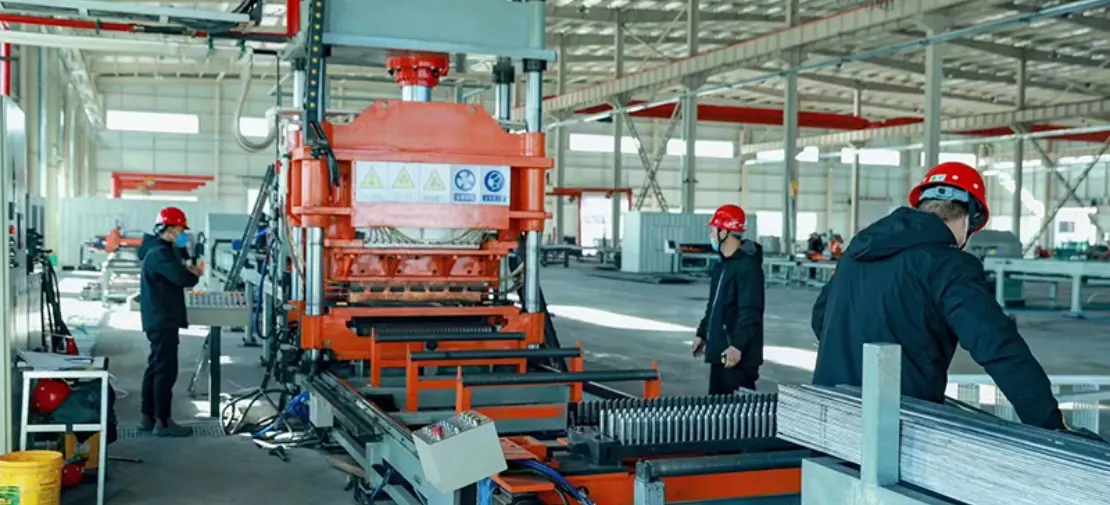
We operate two massive production bases in East and North China, equipped with advanced robotics for welding, precision laser cutting, and digital control tailoring. Our annual capacity of 50,000 metric tons makes us one of the largest suppliers for international markets including Europe, South America, Oceania, and the Middle East.
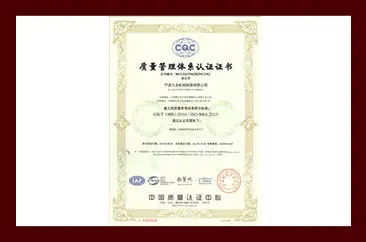
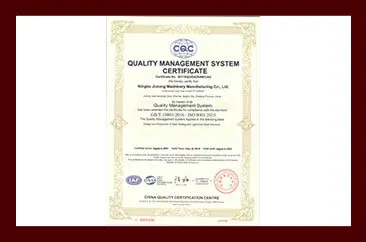
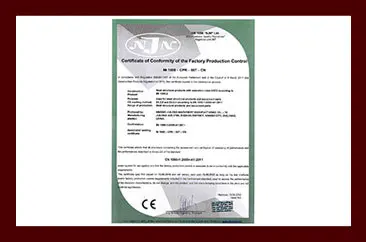
Our certifications, including ISO9001:2015, ISO45001:2018, CE, and GHOST, serve as a testament to our rigorous quality control processes. We don't just sell grating; we provide comprehensive engineering support, including detailed installation drawings and structural solution design.
The global demand for high-quality bar grating is intrinsically linked to the $1.2 trillion infrastructure and energy market. As nations pivot toward green energy and sustainable urban development, the requirements for 48" wide grating have shifted toward more specialized applications.
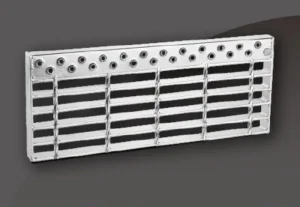
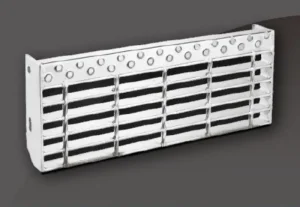
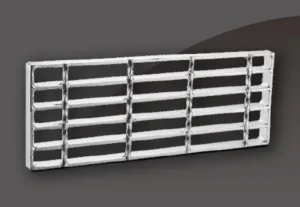
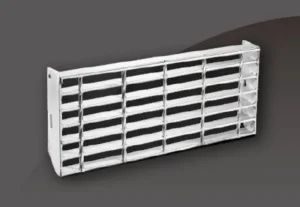
In high-corrosion environments like oil refineries, 48" wide galvanized grating provides the perfect balance of ventilation, lighting, and chemical resistance. Large panels minimize the number of joints, which are traditionally the weakest points in a flooring system where corrosion begins. NJMM's JG255/30/100 and JG405/30/100 models are specifically engineered for these high-stakes environments.
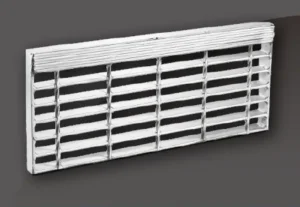
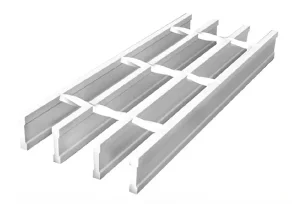
Marine environments require materials that can withstand constant salt spray and dynamic wave loads. Our Aluminum I-Bar grating and heavy-duty forge-welded steel options provide the necessary anti-slip properties and durability. By using 48" wide panels, offshore contractors can reduce the weight of supporting steel structures by up to 15%, a critical factor in platform stability.
From Amazon fulfillment centers to automated parking garages, the need for large-format, high-load-bearing shelving and flooring is skyrocketing. The "Craftsman Spirit" at NJMM ensures that every panel is perfectly flat and precisely aligned, facilitating the smooth operation of automated robotics and machinery on commercial platforms.
As we look toward 2030, NJMM is investing heavily in the next generation of industrial flooring technology. Our roadmap focuses on three core pillars:
Utilizing digital twins and AI load-calculation software to optimize bar spacing and material thickness, reducing waste while increasing strength.
Transitioning to closed-loop hot-dip galvanizing processes that minimize environmental impact and provide superior anti-corrosive finishes.
Experimenting with high-strength low-alloy (HSLA) steels to create 48" wide panels that are 20% lighter but 30% stronger than current industry standards.
This commitment to innovation was recognized in 2020 when we were declared a Municipal Engineering Center and in 2021 when we obtained the Green Factory designation. We are not just following the industry; we are defining its future trajectory.
| Industry Segment | Typical Application | Recommended Grating Type | Key Benefit |
|---|---|---|---|
| Mining & Minerals | Processing Plants / Conveyor Walkways | Serrated Forge Welded (JG505/30/100) | Anti-slip in mud/dust conditions |
| Transportation | Airport Ventilation / Trench Covers | Heavy Duty Galvanized (JG1008/30/100) | Dynamic load handling for heavy vehicles |
| Urban Architecture | Ceiling Panels / Sunscreens | Aluminum I-Bar (Lightweight) | Aesthetic appeal and corrosion resistance |
| Waste Management | Sewage Treatment Walkways | Hot-Dip Galvanized Plain Type | Free drainage and easy maintenance |

A: 48 inches (approx. 1220mm) is a standard width that fits the most common structural beam spacings. It maximizes floor coverage per panel, significantly reducing the labor required for installation and the number of fasteners needed, which translates to lower total project costs.
A: All our hot-dip galvanizing is performed after fabrication according to international standards (ASTM A123 or equivalent). This ensures that all welds and edges are fully sealed, providing a much higher anti-corrosion life compared to pre-galvanized materials.
A: Yes. NJMM specializes in irregular grating fabrication platforms. We use digital control tailoring and robots welding to provide custom-cut panels that fit perfectly around pipes, columns, and other structural penetrations based on your detailed drawings.
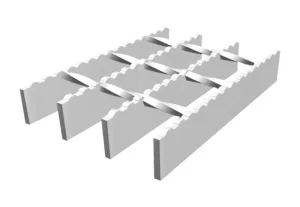
A: While the structural load capacity remains largely the same, Serrated surfaces provide significantly higher slip resistance (ideal for oily or icy conditions). Plain type is preferred for decorative applications or where high-heeled foot traffic or rolling equipment is common.
A: Absolutely. With a service network spanning South America, Europe, Oceania, and the Middle East, we provide localized engineering consultation and logistical support to ensure compliance with regional building codes and safety regulations.





 Jiulong