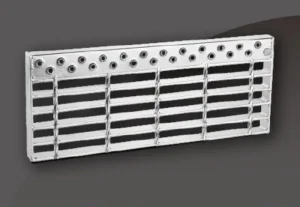
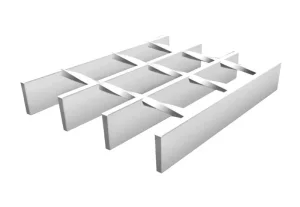
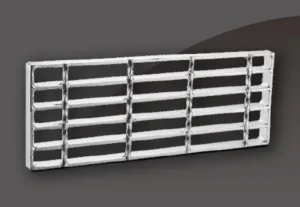
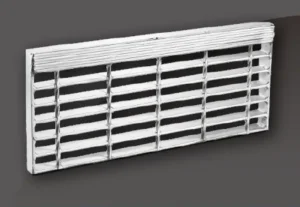
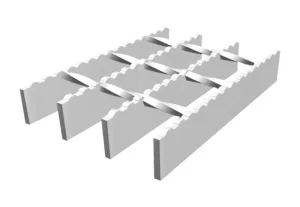
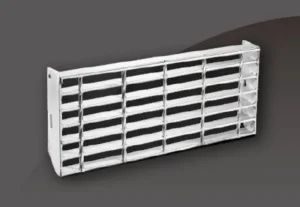
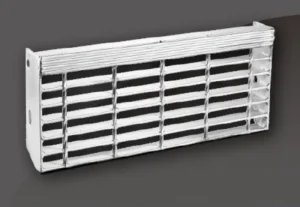
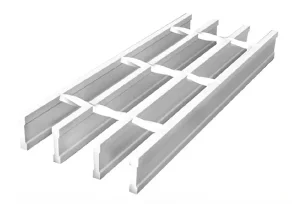
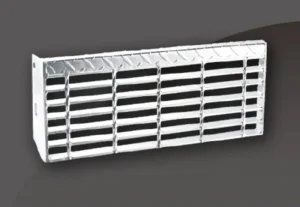
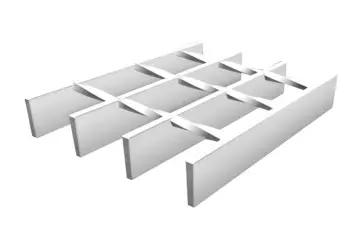
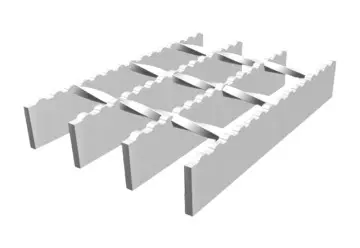
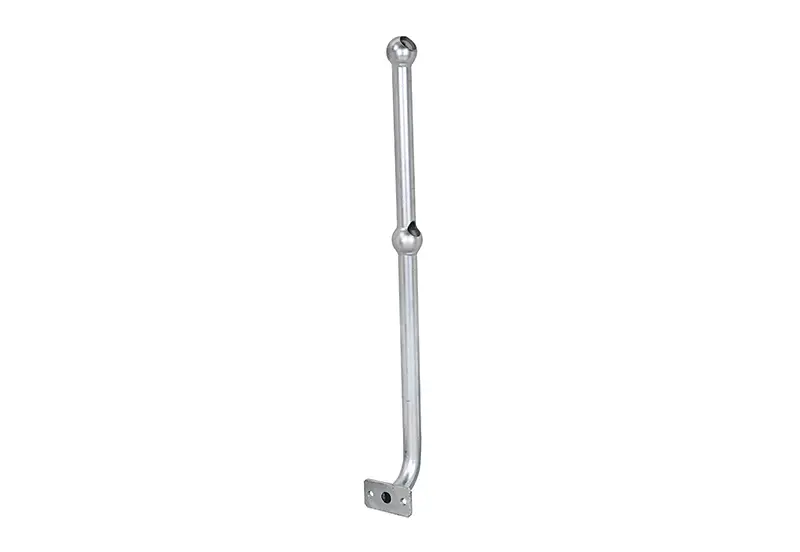
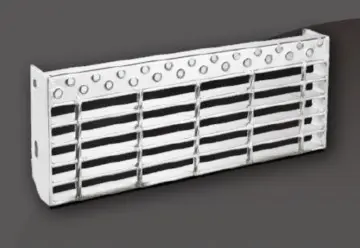
Modern architecture demands more than just drainage; it demands pedestrian safety and aesthetic integration. Our high-quality heel guard grates are engineered with narrow apertures (typically < 8mm) to prevent high heels, canes, and wheelchairs from catching, ensuring seamless transit in high-traffic commercial zones.
As a premier Heel Guard Grate Manufacturer, NJMM serves South America, Europe, and the Middle East. With an annual capacity of 50,000 tons, we bridge the gap between large-scale industrial utility and precise architectural refinement.
Utilizing 12 automatic welding lines and laser cutting technology, our grates meet international standards like ISO9001 and CE certification, ensuring every millimetre of our product delivers on load-bearing promises.
Founded in 1993, Ningbo Jiulong Machinery Manufacturing Co., Ltd (NJMM) has evolved from a specialized steel grating workshop into a modern comprehensive enterprise. We are the architects of light steel structures, integrating scientific research, machinery manufacturing, and complex engineering construction.
Our footprint spans across 2 production bases in China, equipped with robotic welding systems, laser cutting precision, and digital control panels. NJMM isn't just a supplier; we are an engineering partner offering detailed design support and installation drawings for global infrastructure projects.
Urban planners in cities like Singapore, London, and New York now mandate Inclusive Design. Heel guard grates are a core component of "barrier-free" transit routes, reducing liability and improving the user experience for pedestrians.
For shopping malls, luxury hotels, and transit hubs, the aesthetic of stainless steel or galvanized heel guard grates provides a modern, clean look that traditional heavy-duty industrial grates cannot match.
Our grates are treated with hot-dip galvanization or made from high-grade stainless steel to withstand salt-spray in coastal regions and chemical exposure in industrial walkways.
| Feature | Industrial Standard | NJMM High-Quality Edge |
|---|---|---|
| Aperture Size | 8mm - 12mm | Customizable < 8mm for strict heel-guard compliance |
| Welding Tech | Manual/Semi-Auto | 12 Fully Automatic Pressure Welding Lines (Uniform Strength) |
| Material Grade | Q235 / Mild Steel | High-strength alloys & Marine-grade Stainless Steel |
| Surface Treatment | Basic Coating | Hot-Dip Galvanization (ISO 1461) + Anti-Slip Serration |
Our technical roadmap focuses on Weight Optimization vs. Load Bearing. By utilizing advanced FEA (Finite Element Analysis) during the design phase, we reduce steel consumption by up to 15% while maintaining the structural integrity required for heavy pedestrian and light vehicle traffic.
In the shipbuilding and offshore engineering sectors, drainage systems must handle high volumes of water without compromising the footing of workers in heavy gear. Our JG-series grates provide the perfect balance of ventilation and grip.
Explosion-proof and heat dissipation properties make NJMM grates the preferred choice for refineries. Our products are widely used in Light Chemical and Mechanochemistry industries.
Airports and port terminals utilize our grates for trench covers that must support baggage trolleys and heavy pedestrian flow while remaining "stiletto-safe."
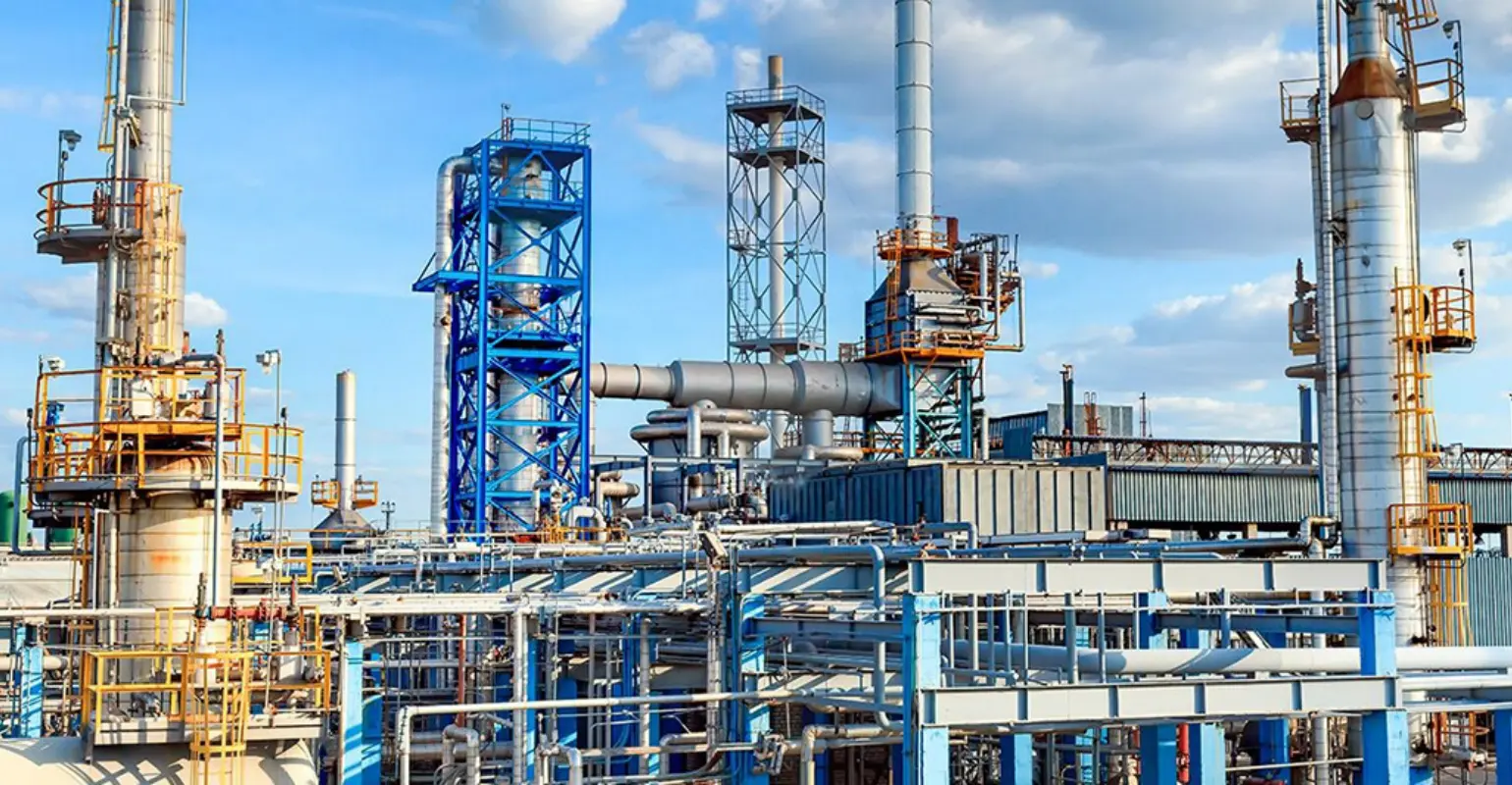
NJMM Platform Walkway Solutions in Petrochemical Industry
The next decade of "Heel Guard" technology will be defined by Sustainability. NJMM is already recognized as a "Green Factory," focusing on reducing carbon emissions during the galvanizing process. Our future roadmap includes:
NJMM has participated in drafting and revising the Steel Grating Standard YB/T4001 in 2019. This leadership position ensures that our heel guard grates don't just follow the rules—they set them. We offer:
ISO9001:2015, ISO45001:2018, CE, and GHOST certificates ensure legal compliance in all major global markets.
With an export volume exceeding 20,000 tons annually, our logistics and technical support span South America, West Asia, and Oceania.
Detailed shop drawings and 3D modeling are provided to ensure a zero-error fit on-site.
 Jiulong