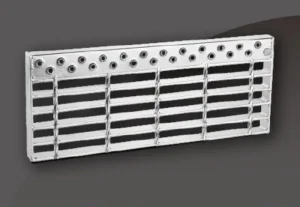
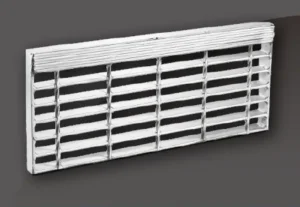
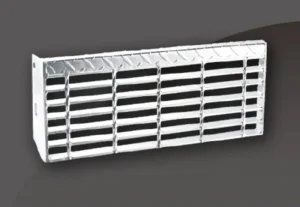
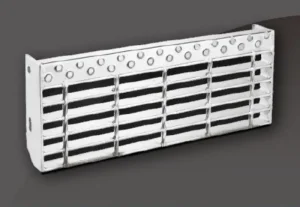
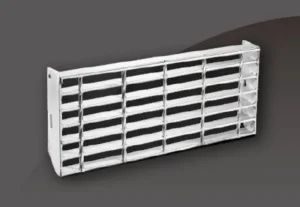
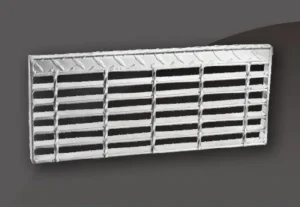
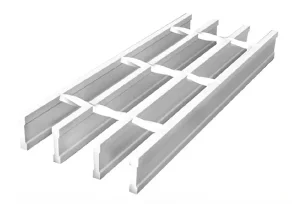
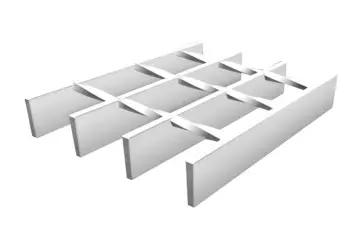
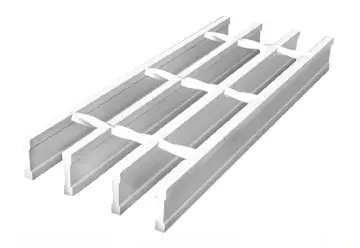
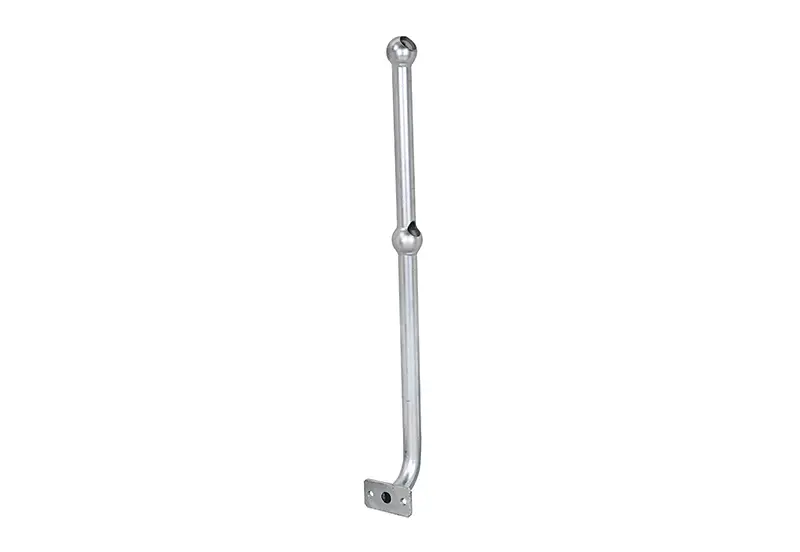
As of 2024, the global architectural and industrial flooring market is shifting towards lightweight, corrosion-resistant materials. Extruded aluminum stair treads represent the pinnacle of this shift. Unlike traditional carbon steel, aluminum offers a high strength-to-weight ratio, which reduces the structural load on massive industrial platforms, offshore rigs, and high-rise commercial emergency exits.
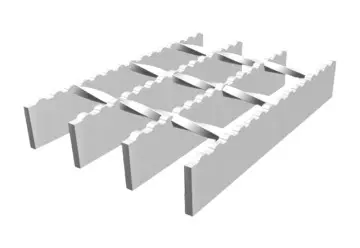
Most suppliers focus solely on dimensions. Our expertise delves into the Coefficient of Friction (COF). By utilizing specific 6061-T6 aluminum alloys and precision-extruded serrations, we provide R13-rated slip resistance, essential for environments exposed to lubricants, moisture, or chemical spills. This is not just a tread; it is a life-safety component engineered for zero-failure scenarios.
Aluminum is 100% recyclable. For global contractors aiming for LEED certification or BREEAM standards, our extruded products provide significant points. The longevity of aluminum eliminates the need for frequent replacement, reducing the lifecycle carbon footprint of the facility—a crucial factor in modern "Green Factory" initiatives.
M² Production Area
Auto Welding Lines
Annual Tons Output
Years of Expertise
We primarily utilize 6063-T6 and 6061-T6. 6063 provides a superior finish for architectural needs, while 6061 is chosen for heavy industrial loads due to its higher yield strength.
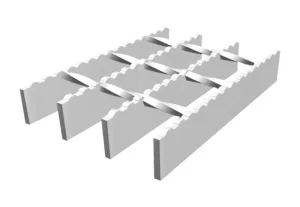
Our extrusion dies are designed to create multi-directional grooves. This "serrated" technology ensures that liquid (water/oil) is dispersed away from the contact point, maintaining grip under extreme weather conditions.
Our R&D is focusing on "Smart Treads" integrated with fiber-optic sensors to monitor structural integrity and temperature in cryogenic or high-heat industrial processing zones.
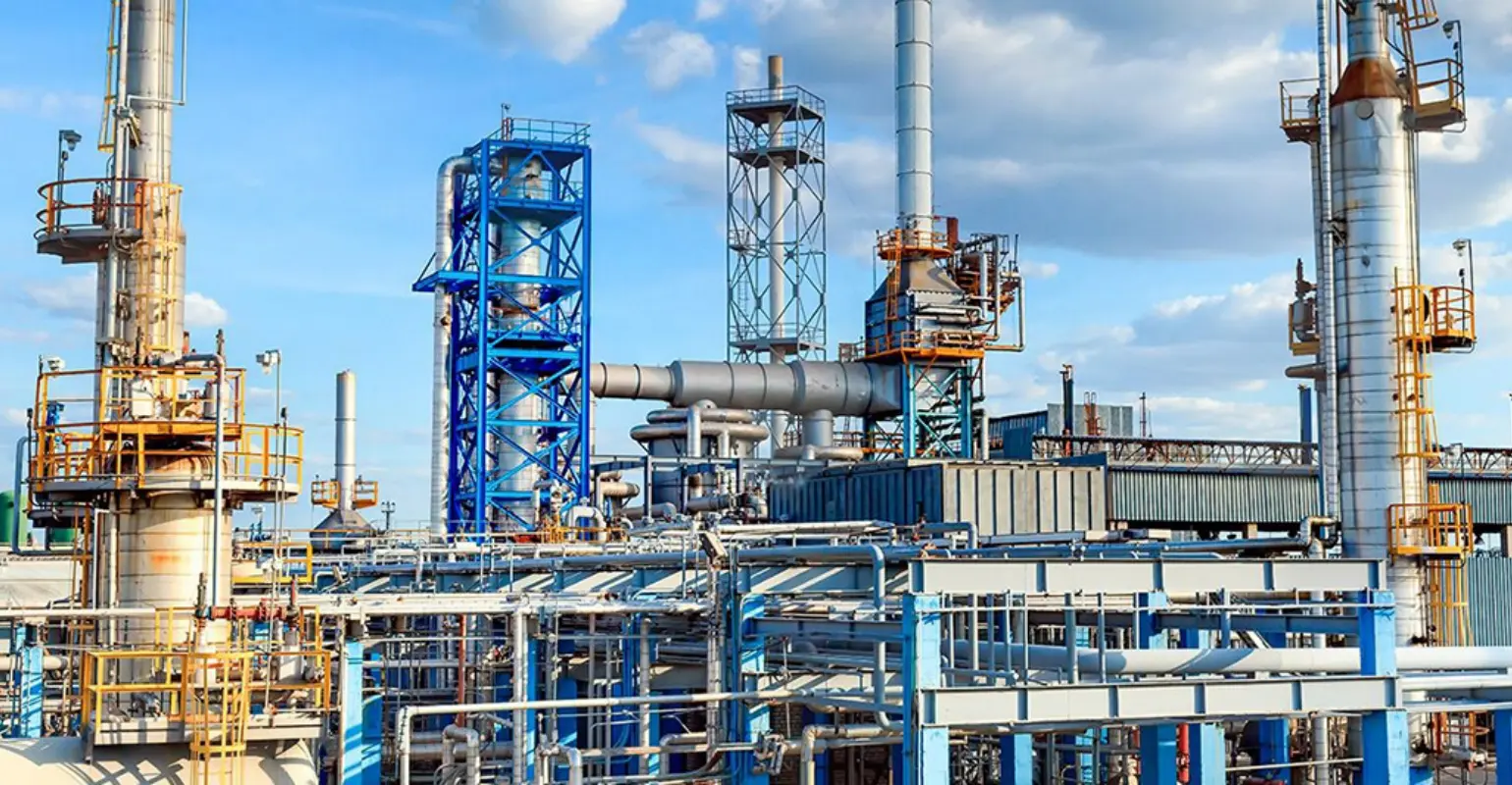
In the petrochemical industry, corrosion is the silent enemy. Our extruded aluminum stair treads are naturally resistant to oxidation. For offshore platforms in West Asia or the Gulf of Mexico, the salt-spray resistance of our products significantly lowers maintenance costs compared to galvanized steel.
Widely used in water treatment plants, airports, and sports stadiums. The aesthetic "modern" look of aluminum fits perfectly with architectural designs while providing the durability needed for high-traffic public areas.
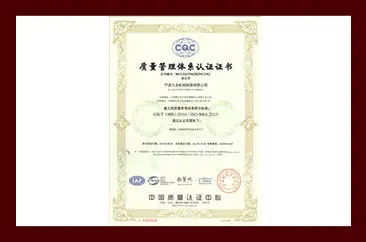
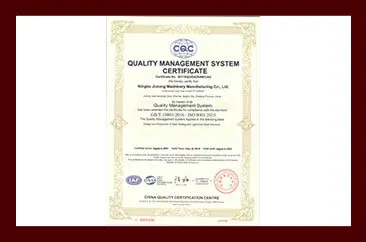
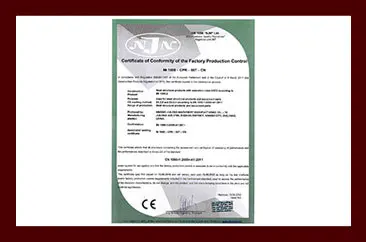
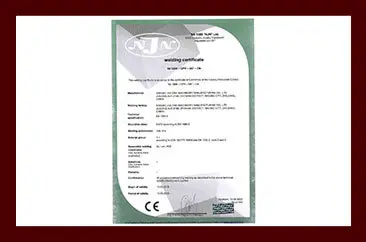
Our commitment to quality is backed by international standards and a rigorous quality management system.


With over 30 years of manufacturing experience, NJMM combines automated precision with deep material knowledge. We own 12 production lines and 2 bases, ensuring consistent supply chain reliability for large-scale international projects.
While the initial material cost of aluminum is higher than steel, the total cost of ownership (TCO) is lower. Aluminum requires no painting or galvanizing maintenance, is easier to install due to its weight, and has a significantly higher scrap value at the end of its life.
Yes. NJMM offers engineering services including detailed shop drawings and installation support. We utilize 6 sets of automatic banding robots and 2 sets of irregular grating fabrication platforms to handle complex geometries.
Our products are certified under CE, ISO9001, ISO14001, and ISO45001. We also participated in drafting the YB/T4001 steel grating standard, proving our authoritative position in the industry.
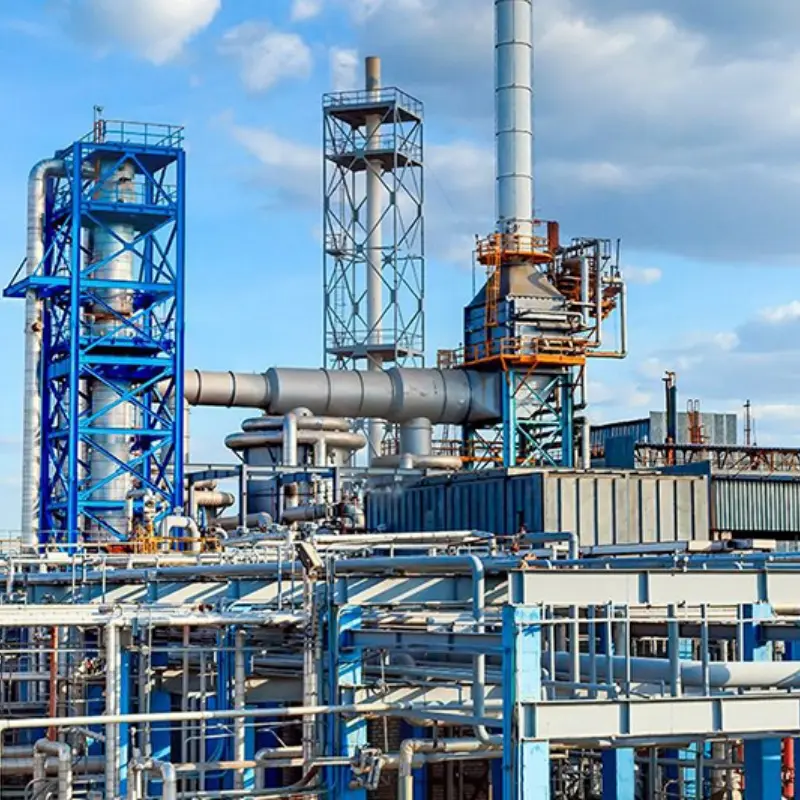
Ensuring hygiene and chemical resistance in sensitive processing environments where rust is not permitted.
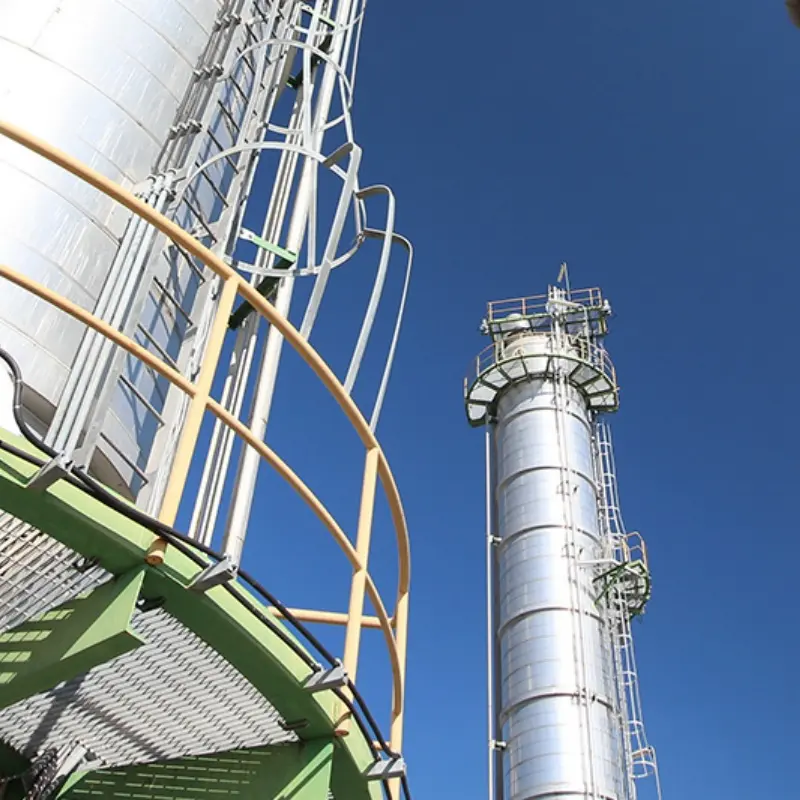
Heavy-duty load bearing solutions for extraction sites where durability and rapid deployment are key.
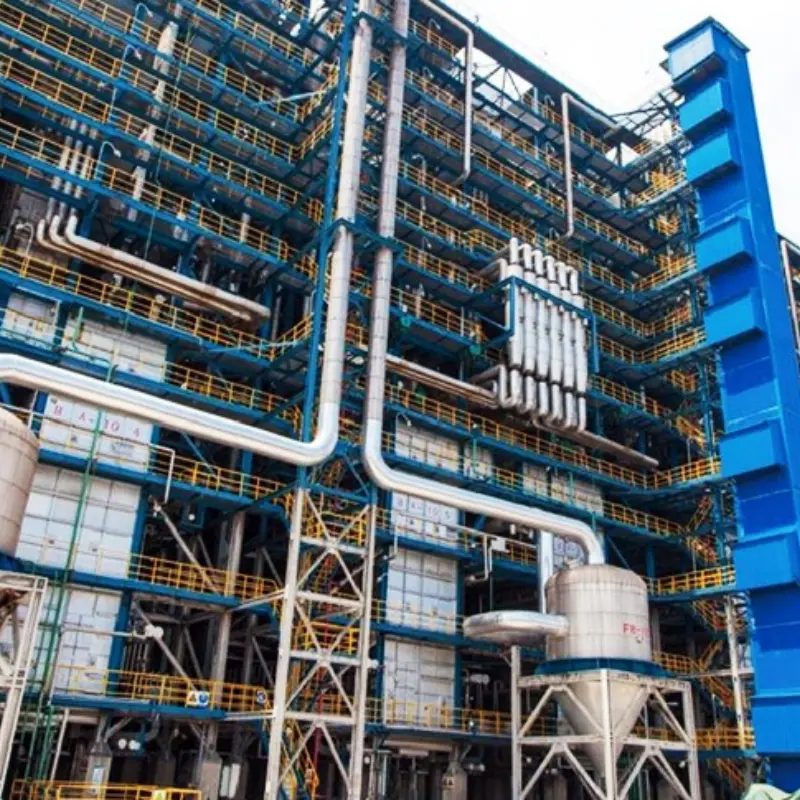
Precision-engineered platforms for airport maintenance hangars and high-frequency logistics centers.
 Jiulong