Pre-engineered structural steel systems ready for export and installation in Banfora municipal, agricultural, and resource-extraction complexes.
Banfora, located in southwestern Burkina Faso, serves as the capital of the Cascades Region. Long recognized as an agricultural powerhouse—principally centered around sugarcane cultivation and industrial sugar refining (such as the operations at SN SOSUCO)—the region is transitioning toward comprehensive industrial processing and regional resource exploration. As processing facilities, cotton ginning installations, and associated water-management infrastructure modernize, the demand for high-strength, corrosion-resistant pedestrian access equipment has escalated.
West Africa's specific environmental profile places substantial demands on structural steel installations. Banfora experiences a hot semi-arid to tropical wet-and-dry climate characterized by alternating intense dry, dusty harmattan seasons and high-humidity rainy periods. These cycles subject industrial structural installations to combined electrochemical oxidation and mechanical erosion. Standard, untreated mild steel quickly suffers structural integrity loss. Our industrial railing solutions are designed to address this challenge: using hot-dip galvanized finishes that exceed standard zinc-coating thickness benchmarks (complying with ISO 1461), we ensure that structural components retain their structural integrity for decades without requiring ongoing field repairs.
Industrial safety railings and platform structures are critical life-safety assets. Designing access systems for sugar refinery mills, mineral extraction sites, and municipal power distribution plants requires strict compliance with international mechanical codes. NJMM aligns its production lines with the following global engineering standards:
| Standard Code | Application Field | Structural Safety Parameter Mandated |
|---|---|---|
| EN ISO 14122-3 | Industrial machinery permanent access stairways & guardrails | Minimum handrail height of 1100mm; minimum 100mm kickplate presence |
| ASTM A123 / ISO 1461 | Zinc coating parameters for structural steel sections | Minimum local coating thickness of 70–85 microns for standard steel parts |
| YB/T 4001.1 | Steel gratings, stair treads, and structural walkway panels | Deflection limitation under concentrated design load to ≤ 1/200th of span span |
| BS 6180 | Protective barrier systems for buildings and industrial platforms | Horizontal uniformly distributed load capacity up to 1.5 kN/m for public industrial interfaces |
In humid and chemical-rich processing spaces, such as sugar wash systems or gold mining chemical circuits, bare steel undergoes rapid oxidation. NJMM's hot-dip galvanization lines immerse fabricated railing elements into a molten zinc bath at temperatures ranging from 440°C to 460°C. This creates a series of zinc-iron alloy layers (Gamma, Beta, and Delta phases) mechanically bonded to the core structural steel, topped by an outer layer of pure zinc (Eta phase).
This multi-layered barrier delivers both barrier protection and galvanic sacrificial protection. If the handrail surface is scratched during site installation or operational impact, the surrounding zinc sacrifices itself to protect the underlying structural steel. This metallurgical performance makes our railings suitable for Banfora’s industrial installations, providing long-term reliability and low maintenance requirements.
Empowering heavy engineering projects since 1993 with high-volume, automated structural fabrication.
Managing bulk logistics to inland destinations in West Africa requires an organized supply chain strategy. For regional industrial hubs like Banfora, importing structural steel fabrications involves coordinating sea freight with overland transport networks.
NJMM leverages its proximity to the Port of Ningbo, one of the world's largest deep-water shipping terminals. Containerized shipments are routed to regional gateways such as the Port of Abidjan (Côte d'Ivoire) or the Port of Tema (Ghana). From these maritime centers, the cargo is moved via overland transit corridors directly to the Cascades Region.
To prevent damage during transit, NJMM uses custom packaging protocols, including high-tensile steel strapping, protective marine timber dunnage, and waterproof wrapping to prevent moisture condensation during sea voyage. Every shipment is organized by project phase, with clear labeling and digital packing sheets that simplify customs processing and reduce on-site sorting time.
Our manufacturing plants incorporate automated robotic welding, high-precision laser cutting, and digital control panels for steel plate tailoring. These tools ensure consistent dimensional tolerance across thousands of components. High-precision manufacturing is critical for ball-joint handrails, where precise tube alignment determines the overall strength of the installed run.
For projects in Banfora, we provide modular railing designs. Our pre-assembled stanchions, handrails, and kickplates are engineered for rapid on-site assembly, minimizing the need for specialized field welding and reducing overall installation costs.
Heavy-duty stair treads, structural forge-welded gratings, and high-performance safety barriers designed to withstand severe industrial environments.
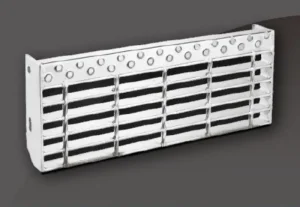
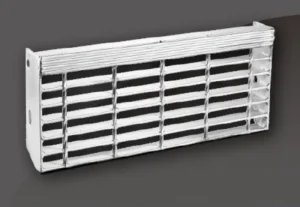
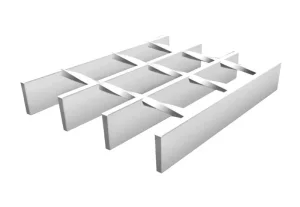
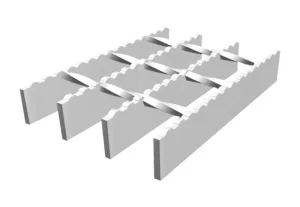
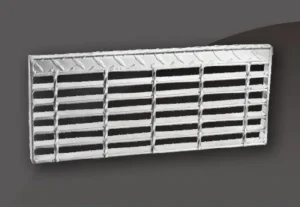
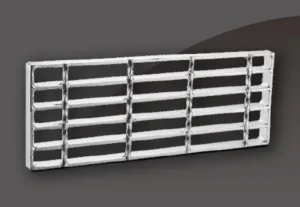
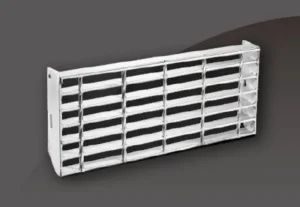
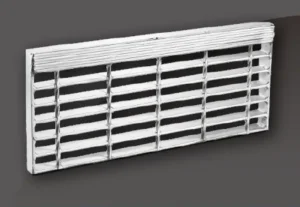
Modern processing facilities depend on high-performance access walkways and platforms to maintain plant safety. When laying out infrastructure projects in regional centers like Banfora, engineers must coordinate structural flooring, stair systems, and handrails to create a cohesive safety assembly.
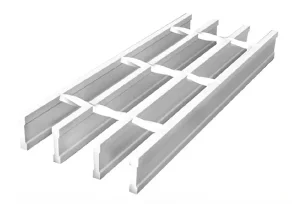
For industrial platforms, we recommend steel gratings like the JG325/30/100 or JG405/30/100 patterns. These profiles feature load-bearing bars spaced at 30mm with a cross-bar pitch of 100mm. The design provides slip resistance and structural stiffness, making it suitable for high-altitude conveyor bridges and boiler walkways.
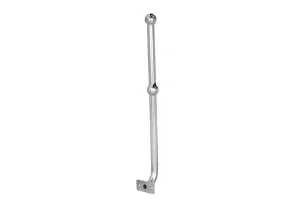
Integrating these platforms with ball-joint stanchions creates a continuous safety barrier. Ball-joint stanchions feature circular spheres welded directly to upright vertical posts, allowing handrails and knee rails to pass through cleanly. This setup minimizes sharp edges that could snag clothing or equipment and distributes mechanical loads evenly across the run.
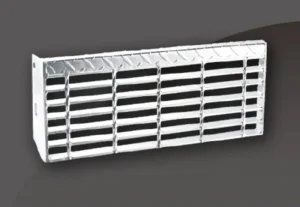
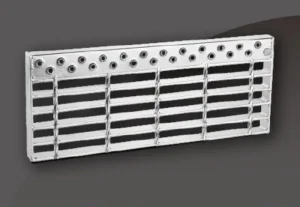
Access stairs connecting multiple platform levels require slip-resistant stair treads. Treads with serrated leading edges and welded end-plates (such as our JT3 and JT4 series) provide reliable footing, even in wet or oil-prone environments.
Every stair tread is hot-dip galvanized after fabrication to ensure complete protection. By standardizing mounting-hole placements, our assemblies align with standard stair stringers, which helps speed up on-site construction.
Processing plants require effective drainage systems to handle high water volumes during the tropical rainy season. NJMM's heavy-duty trench covers provide the load-bearing strength needed to handle pedestrian and light-vehicular traffic while facilitating water runoff.
The open mesh pattern prevents mud and organic debris from accumulating, helping to maintain clean, safe pathways. These systems are used in water treatment plants, chemical storage areas, and municipal drainage installations.
Direct technical answers to help engineering contractors, consultants, and procurement managers select the right systems.
We manufacture our handrail stanchions and pipe railings from structural carbon steel matching ASTM A36, S235JR, or Q235B standards. These materials offer balanced weldability and tensile strength. For highly corrosive environments, we also supply marine-grade 316 stainless steel and structural aluminum systems.
In hot, dusty, and humid climates like Banfora, hot-dip galvanization (complying with ISO 1461) performs better than powder coating. The process creates a metallurgically bonded zinc-iron alloy layer that provides sacrificial protection. If a scratch occurs during installation, the surrounding zinc protects the steel. Powder coatings can chip, leading to localized rusting that spreads beneath the paint layer.
Yes. NJMM provides custom engineering support, converting client layouts and drawings into detailed manufacturing designs. Our facilities utilize computerized design tools to model complex handrail runs, detailing stair turns, multi-level platforms, and kickplate interfaces to ensure precise component fitment on-site.
Ocean transit from Ningbo to regional ports like Abidjan or Tema typically takes 35 to 45 days. Local customs clearance and overland transport to Banfora adds approximately 10 to 15 days. In total, clients should budget 50 to 60 days for shipping and delivery.
Every shipment includes mill test certificates (MTCs), galvanizing thickness test reports, compliance certifications for CE standards, and detailed structural drawings. We maintain full traceability on all materials to ensure consistent quality control.
Get in touch with our engineering team for technical quotes, custom drawing conversions, and logistical planning for projects in West Africa.
Send Inquiry Now Jiulong